
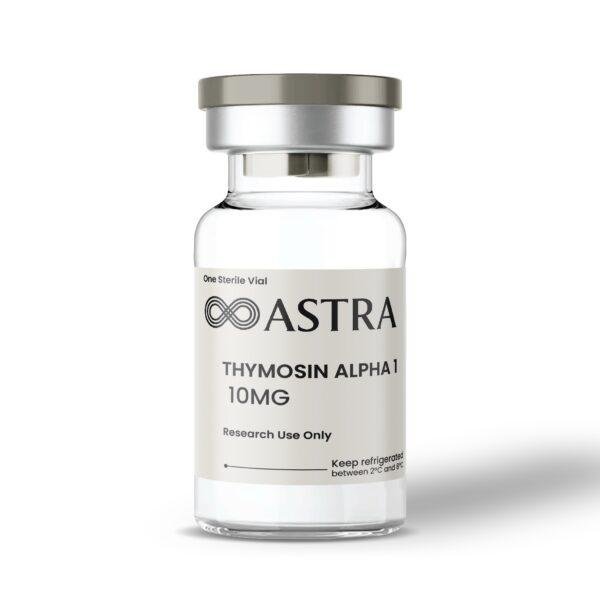
Thymosin Alpha 1: Uses, Dosage, Side Effects, Safety, and Frequently Asked Questions
What Is Thymosin Alpha 1?
Thymosin Alpha 1 (Tα1) is a synthetic peptide that is identical to a naturally occurring peptide produced by the thymus gland, an organ that plays an important role in the development and regulation of the immune system. Thymosin Alpha 1 is classified as an immunomodulatory peptide, meaning it helps regulate and support immune function rather than directly attacking bacteria or viruses.
In some countries, Thymosin Alpha 1 is approved for specific medical indications, such as certain forms of chronic hepatitis B, while researchers continue to study its potential role in cancer treatment, infectious diseases, and immune-related conditions. However, regulatory approvals vary by country, and not all uses are approved by the U.S. Food and Drug Administration (FDA).
Thymosin Alpha 1 should only be used under the supervision of a qualified healthcare professional.
How Thymosin Alpha 1 Works
Thymosin Alpha 1 helps regulate the body’s immune response by influencing several types of immune cells.
Research suggests it may help:
- Promote the maturation of T lymphocytes (T cells).
- Support normal immune system function.
- Enhance communication between immune cells.
- Regulate cytokine production.
- Strengthen immune responses to certain infections.
Unlike antibiotics or antiviral medications, Thymosin Alpha 1 does not directly destroy pathogens. Instead, it works by supporting the body’s natural immune defenses.
Thymosin Alpha 1 Uses
Chronic Hepatitis B
In some countries, Thymosin Alpha 1 has been approved as part of the treatment of chronic hepatitis B infection, where it may help improve immune responses against the virus.
Immune System Support
Healthcare providers may use Thymosin Alpha 1 in selected patients with certain immune-related conditions where clinically appropriate.
Cancer Research
Researchers continue to investigate Thymosin Alpha 1 as an adjunctive therapy alongside certain cancer treatments to determine whether it may help support immune function during treatment.
These applications remain investigational in many regions.
Infectious Disease Research
Thymosin Alpha 1 has been studied for its potential role in supporting immune responses during various viral, bacterial, and fungal infections.
Further research is ongoing.
Potential Benefits of Thymosin Alpha 1
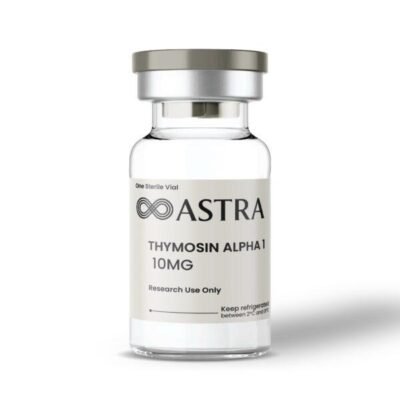
When prescribed appropriately, Thymosin Alpha 1 may help:
- Support healthy immune function.
- Enhance T-cell activity.
- Regulate immune responses.
- Support treatment of certain chronic viral infections where approved.
- Improve immune system function in selected clinical settings.
Benefits depend on the underlying medical condition and individual patient response.
Thymosin Alpha 1 Dosage
The appropriate dosage depends on:
- The medical condition being treated.
- Age.
- Body weight.
- Medical history.
- Regional prescribing guidelines.
- Healthcare provider recommendations.
There is no single standard dosage appropriate for every patient.
Thymosin Alpha 1 should only be used exactly as prescribed by a qualified healthcare professional.
How Thymosin Alpha 1 Is Administered
Thymosin Alpha 1 is typically administered as a subcutaneous injection.
Common injection sites include:
- Abdomen.
- Thigh.
- Upper arm.
Patients should:
- Follow proper injection techniques.
- Rotate injection sites.
- Use sterile equipment.
- Follow healthcare provider instructions carefully.
Missed Dose
If you miss a scheduled dose:
- Take it as soon as you remember unless it is almost time for your next scheduled dose.
- Skip the missed dose if necessary.
- Do not administer two doses at the same time unless instructed by your healthcare provider.
If you are uncertain, contact your healthcare provider for advice.
Common Side Effects
Like all medications, Thymosin Alpha 1 may cause side effects.
Common side effects may include:
- Injection site redness.
- Mild pain or swelling.
- Fatigue.
- Headache.
- Mild fever.
- Muscle aches.
- Joint discomfort.
Many side effects are temporary and resolve without treatment.
Serious Side Effects
Seek immediate medical attention if you experience:
- Severe allergic reactions.
- Difficulty breathing.
- Swelling of the face, lips, tongue, or throat.
- Severe rash.
- Persistent high fever.
- Chest pain.
- Severe dizziness.
Although serious reactions are uncommon, prompt medical evaluation is recommended.
Safety Information
Before receiving Thymosin Alpha 1, tell your healthcare provider if you have:
- Autoimmune disorders.
- Organ transplant history.
- Chronic liver disease.
- Kidney disease.
- Cancer.
- Pregnancy or plans to become pregnant.
- Breastfeeding.
- Allergies to peptide medications.
Regular medical monitoring may be recommended during treatment.
Drug Interactions
Thymosin Alpha 1 may interact with certain medications.
Tell your healthcare provider about all:
- Prescription medications.
- Over-the-counter medicines.
- Immunosuppressive drugs.
- Cancer treatments.
- Vitamins.
- Herbal supplements.
Providing a complete medication list helps reduce the risk of interactions.
Pregnancy and Breastfeeding
There is limited information regarding the safety of Thymosin Alpha 1 during pregnancy and breastfeeding.
Individuals who are pregnant, planning pregnancy, or breastfeeding should discuss the potential risks and benefits with their healthcare provider before beginning treatment.
Storage
Store Thymosin Alpha 1 according to the manufacturer’s instructions.
General recommendations include:
- Refrigerate if directed.
- Protect from direct light.
- Keep in the original container.
- Do not freeze unless specified.
- Keep out of reach of children.
Always follow the storage instructions provided with your product.
Frequently Asked Questions (FAQs)
What is Thymosin Alpha 1 used for?
Thymosin Alpha 1 is used in some countries to help treat chronic hepatitis B and is being studied for immune-related conditions, infections, and certain cancers.
How does Thymosin Alpha 1 work?
It helps regulate immune function by supporting the development and activity of T cells and other immune system components.
Is Thymosin Alpha 1 FDA approved?
Regulatory approval varies by country. It is approved for certain uses in some regions, but not all indications are approved by the U.S. FDA.
Is Thymosin Alpha 1 an antibiotic?
No. Thymosin Alpha 1 is an immunomodulatory peptide that supports the immune system rather than directly killing bacteria or viruses.
How is Thymosin Alpha 1 administered?
It is typically given as a subcutaneous injection under the skin.
What are the most common side effects?
Common side effects include injection site reactions, headache, fatigue, mild fever, muscle aches, and joint discomfort.
Can Thymosin Alpha 1 strengthen the immune system?
It helps regulate and support normal immune function, but it should not be considered a substitute for vaccines, healthy lifestyle measures, or standard medical treatments.
Can Thymosin Alpha 1 be used during pregnancy?
There is limited safety information regarding pregnancy and breastfeeding. Treatment should only occur if recommended by a qualified healthcare provider.
Can Thymosin Alpha 1 cure viral infections?
No. Thymosin Alpha 1 is not considered a cure for viral infections. In some settings, it may be used as part of a broader treatment plan where approved.
Can healthy people use Thymosin Alpha 1?
Routine use in healthy individuals is not an established indication. Thymosin Alpha 1 should only be used under appropriate medical supervision.
Final Thoughts
Thymosin Alpha 1 is an immunomodulatory peptide that plays an important role in supporting normal immune system function. It has been approved in some countries for selected medical conditions, including certain cases of chronic hepatitis B, while researchers continue to investigate its potential in infectious diseases, cancer care, and immune-related disorders.
Because approved uses and availability vary between countries, Thymosin Alpha 1 should only be used under the supervision of a qualified healthcare professional. Ongoing medical monitoring can help ensure treatment is both safe and appropriate.
Medical Disclaimer: This article is for educational and informational purposes only and should not replace professional medical advice, diagnosis, or treatment. Always consult a qualified healthcare professional before starting, stopping, or changing any medication or peptide therapy. Thymosin Alpha 1 should only be used as directed by a licensed healthcare provider.
Be the first to review “Thymosin Alpha 1”
Related products
Peptides
Peptides
Peptides
Peptides
Peptides
Peptides
Peptides
3 reviews for Thymosin Alpha 1
There are no reviews yet.