
TB-500 10 mg: Uses, Dosage, Side Effects, Safety, and Frequently Asked Questions
What Is TB-500 10 mg?
TB-500 is a synthetic peptide based on a biologically active portion of thymosin beta-4 (Tβ4), a naturally occurring protein found in many tissues throughout the body. Researchers have studied thymosin beta-4 because of its role in cell movement, tissue repair, wound healing, and inflammation.
TB-500 has attracted interest in research related to muscle injuries, tendon and ligament healing, and soft tissue recovery. However, TB-500 has not been approved by the U.S. Food and Drug Administration (FDA) or many other regulatory agencies for the treatment of any disease or injury.
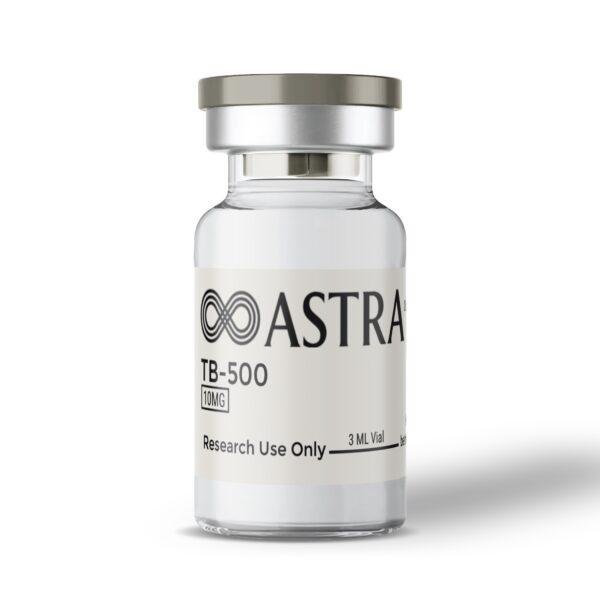
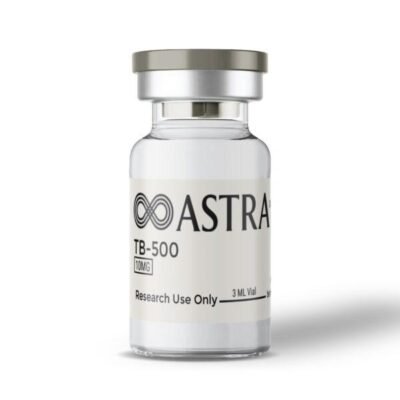
A 10 mg vial generally refers to the quantity of peptide supplied in a research product and does not represent an approved therapeutic dose.
How TB-500 Works
TB-500 is derived from the active region of thymosin beta-4, which plays a role in several biological processes involved in tissue repair.
Researchers believe TB-500 may help regulate:
- Cell migration.
- Blood vessel formation (angiogenesis).
- Tissue remodeling.
- Inflammatory responses.
- Actin protein organization within cells.
These biological activities are being investigated to better understand their potential role in tissue healing.
Although promising laboratory findings have been reported, these effects have not been confirmed as safe and effective treatments in large human clinical trials.
Potential Uses of TB-500
Because TB-500 remains investigational, the following represent areas of scientific research, not approved medical uses.
Soft Tissue Injury Research
Researchers have investigated TB-500 for its potential role in supporting healing following:
- Muscle injuries.
- Tendon injuries.
- Ligament injuries.
- Connective tissue damage.
Wound Healing Research
Laboratory studies have explored whether TB-500 may influence:
- Tissue regeneration.
- Skin repair.
- Cell migration during wound healing.
Inflammation Research
Scientists continue to investigate whether TB-500 may help regulate inflammatory responses involved in tissue repair.
Cardiovascular Research
Some preclinical studies have examined the potential role of thymosin beta-4–related peptides in heart tissue repair following injury. These applications remain experimental.
Potential Benefits of TB-500
Preclinical research suggests TB-500 may have the potential to:
- Support tissue repair.
- Promote cell migration.
- Assist wound healing.
- Support blood vessel formation.
- Aid soft tissue recovery.
- Regulate inflammatory responses involved in healing.
These potential benefits are based primarily on laboratory and animal studies. They have not been established in well-controlled human clinical trials, and no approved therapeutic claims can currently be made.
Dosage
There is no FDA-approved dosage for TB-500.
Currently:
- No standardized therapeutic dosing recommendations exist.
- Human dosing has not been established for routine clinical use.
- The “10 mg” strength refers only to the amount contained in certain research products.
TB-500 should not be self-administered outside of properly authorized research settings or unless prescribed where legally permitted.
How TB-500 Is Administered
Because TB-500 is not an approved medication, there is no standardized method of administration for routine medical care.
In research settings, administration protocols vary according to study design and are conducted under appropriate scientific and ethical oversight.
Missed Dose
There are no established recommendations regarding missed doses because TB-500 is not an approved medication.
Individuals participating in authorized research studies should follow the directions provided by the study investigators.
Possible Side Effects
The complete safety profile of TB-500 has not been established in humans.
Potential side effects remain under investigation.
Reported or possible adverse effects may include:
- Injection site reactions.
- Headache.
- Fatigue.
- Mild nausea.
- Skin irritation.
- Allergic reactions.
Because clinical data are limited, additional risks may become apparent with future research.
Serious Side Effects
Seek immediate medical attention if serious symptoms occur, including:
- Difficulty breathing.
- Swelling of the face, lips, tongue, or throat.
- Severe allergic reactions.
- Chest pain.
- Persistent dizziness.
- Loss of consciousness.
Unexpected adverse reactions may occur because long-term human safety has not been established.
Safety Information
Before participating in research involving TB-500, discuss your medical history with your healthcare provider.
Tell your healthcare provider if you have:
- Heart disease.
- Liver disease.
- Kidney disease.
- Bleeding disorders.
- Autoimmune conditions.
- Pregnancy or plans to become pregnant.
- Breastfeeding.
- Any significant chronic medical condition.
Because TB-500 remains investigational, careful medical supervision is essential.
Drug Interactions
Potential drug interactions have not been fully established.
Inform your healthcare provider about all:
- Prescription medications.
- Over-the-counter medicines.
- Vitamins.
- Herbal supplements.
- Performance-enhancing products.
- Other investigational therapies.
Pregnancy and Breastfeeding
There is insufficient information regarding the safety of TB-500 during pregnancy or breastfeeding.
Until more research is available, TB-500 should not be used during pregnancy or while breastfeeding except within appropriately approved clinical research.
Storage
Storage recommendations depend on the specific formulation.
General recommendations may include:
- Store according to the manufacturer’s instructions.
- Protect from excessive heat and direct light.
- Refrigerate if required by the product labeling.
- Keep in the original container.
- Keep out of reach of children.
Always follow the storage instructions supplied with the product.
Frequently Asked Questions (FAQs)
What is TB-500 10 mg?
TB-500 is an investigational synthetic peptide derived from a portion of thymosin beta-4. It is being studied for its potential role in tissue repair and wound healing.
Is TB-500 FDA approved?
No. TB-500 has not been approved by the FDA for the treatment of any medical condition.
How does TB-500 work?
Researchers believe TB-500 may influence cell migration, tissue remodeling, angiogenesis, and inflammatory responses involved in healing.
Can TB-500 help heal injuries?
Laboratory and animal studies have suggested potential effects on tissue repair, but there is insufficient evidence from human clinical trials to conclude that TB-500 is a safe or effective treatment for injuries.
What are the common side effects?
The complete side-effect profile has not been established. Possible adverse effects include injection site reactions, headache, fatigue, nausea, and allergic reactions.
Can athletes use TB-500?
TB-500 is not approved for enhancing athletic performance. Athletes should also be aware that certain sports organizations prohibit the use of investigational peptides.
Is TB-500 the same as thymosin beta-4?
No. TB-500 is a synthetic peptide based on a portion of the naturally occurring protein thymosin beta-4, but it is not identical to the full-length protein.
Can TB-500 be used during pregnancy?
There is no established safety information regarding use during pregnancy or breastfeeding. It should not be used outside of authorized research or medical guidance where legally permitted.
Is TB-500 legal?
Its legal status varies by country. It is not an FDA-approved medication and may only be available for authorized research purposes in some jurisdictions.
When might TB-500 become an approved treatment?
Approval would require successful human clinical trials demonstrating safety and effectiveness, followed by regulatory review. At present, there is no confirmed approval timeline.
Final Thoughts
TB-500 is an investigational peptide that continues to be studied for its potential effects on tissue repair, wound healing, and soft tissue recovery. Although laboratory and animal studies have shown promising biological activity, there is currently insufficient evidence to support its routine clinical use in humans, and it has not been approved by the FDA or many other regulatory agencies.
Individuals seeking treatment for injuries or chronic conditions should consult a qualified healthcare professional and rely on approved therapies with established safety and effectiveness.
Medical Disclaimer: This article is for educational and informational purposes only and should not replace professional medical advice, diagnosis, or treatment. TB-500 is an investigational peptide and has not been approved by the U.S. FDA or many other regulatory authorities for clinical use. Always consult a qualified healthcare professional before considering any investigational therapy.
Be the first to review “TB-500 10MG”
Related products
Peptides
Peptides
Peptides
Peptides
Peptides
Peptides
Peptides
Peptides
3 reviews for TB-500 10MG
There are no reviews yet.