

Vascepa (Icosapent Ethyl): Uses, Dosage, Side Effects, Safety, and Frequently Asked Questions
What Is Vascepa (Icosapent Ethyl)?
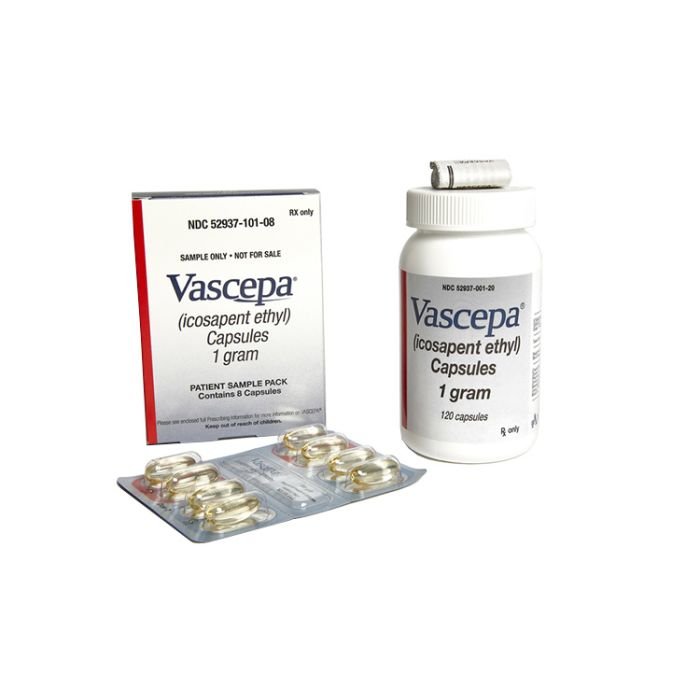
Vascepa (icosapent ethyl) is a prescription medication that belongs to a group of medicines called omega-3 fatty acid therapies. It contains a purified form of eicosapentaenoic acid (EPA), a type of omega-3 fatty acid.
Vascepa is used to help manage certain cholesterol and cardiovascular risk factors by reducing levels of triglycerides in the blood and lowering the risk of certain cardiovascular events in appropriate patients.
Vascepa is prescribed for:
- Severe hypertriglyceridemia (very high triglyceride levels).
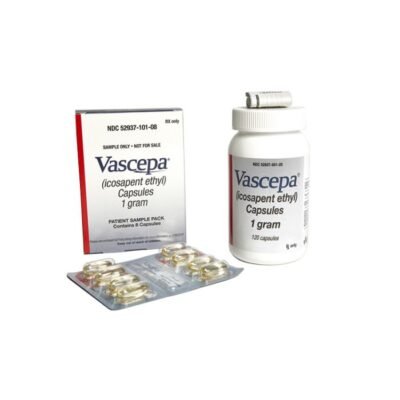
vascepa_1 - Reducing the risk of cardiovascular events in certain adults with elevated cardiovascular risk.
Vascepa is usually used along with lifestyle changes, including a healthy diet and regular physical activity.
How Vascepa Works
Vascepa contains purified EPA, which may affect the way the body processes fats.
It may help by:
- Reducing triglyceride production in the liver.
- Lowering levels of triglyceride-rich particles in the blood.
- Supporting healthier blood lipid levels.
- Reducing certain factors involved in cardiovascular risk.
Vascepa works differently from cholesterol-lowering medicines such as statins, although it may be prescribed alongside them when appropriate.
Vascepa Uses
Severe Hypertriglyceridemia
Vascepa may be used to reduce very high triglyceride levels in adults.
High triglyceride levels may increase the risk of:
- Pancreatitis.
- Cardiovascular complications.
- Abnormal blood lipid levels.
Vascepa is typically combined with:
- A heart-healthy diet.
- Weight management when needed.
- Physical activity.
- Management of other health conditions.
Cardiovascular Risk Reduction
Vascepa may be prescribed for certain adults with cardiovascular risk factors, including those who have:
- Established cardiovascular disease.
- Diabetes with additional cardiovascular risk factors.
- Elevated triglyceride levels despite treatment with other cholesterol medicines.
It may help reduce the risk of events such as:
- Heart attack.
- Stroke.
- Certain cardiovascular complications.
Treatment decisions depend on individual risk factors and medical history.
Benefits of Vascepa
When used as prescribed, Vascepa may help:
- Lower triglyceride levels.
- Improve blood lipid management.
- Support cardiovascular risk reduction in appropriate patients.
- Provide an additional treatment option for people who need triglyceride management.
Results may vary depending on lifestyle, other medications, and individual health conditions.
Vascepa Dosage
The correct Vascepa dose depends on:
- The condition being treated.
- Current triglyceride levels.
- Overall cardiovascular risk.
- Other medications.
- Healthcare provider recommendations.
General guidance:
- Take Vascepa exactly as prescribed.
- Do not change the dose without medical advice.
- Continue recommended diet and lifestyle changes.
- Regular blood tests may be used to monitor treatment response.
How to Take Vascepa
For proper use:
- Take Vascepa capsules with food.
- Swallow capsules whole.
- Do not crush, chew, dissolve, or open capsules unless instructed.
- Take doses at the same time each day.
- Follow your healthcare provider’s directions.
Missed Dose
If you miss a dose:
- Take it when you remember.
- If it is close to the next scheduled dose, skip the missed dose.
- Do not take extra capsules to make up for a missed dose.
Common Side Effects
Common side effects of Vascepa may include:
- Muscle or joint pain.
- Swelling in the hands, legs, or feet.
- Constipation.
- Mouth or throat discomfort.
- Burping.
- Mild digestive discomfort.
Not everyone experiences side effects, and many people tolerate Vascepa well.
Serious Side Effects
Seek medical attention if you experience:
- Severe allergic reactions.
- Irregular heartbeat symptoms.
- Unusual bleeding.
- Severe dizziness or fainting.
Vascepa may increase the risk of certain heart rhythm problems or bleeding complications in some people, especially those with specific risk factors.
Safety Information
Before taking Vascepa, tell your healthcare provider if you have:
- A fish or shellfish allergy.
- A history of irregular heartbeat.
- Bleeding disorders.
- Liver problems.
- Current use of blood thinners.
- Pregnancy or plans to become pregnant.
- Breastfeeding.
Your healthcare provider may monitor:
- Triglyceride levels.
- Liver function in some patients.
- Overall cardiovascular health.
- Signs of bleeding or heart rhythm problems.
Drug Interactions
Vascepa may interact with certain medicines, including:
- Blood thinners.
- Antiplatelet medicines.
- Other medicines that affect bleeding risk.
- Other lipid-lowering medications.
Always tell your healthcare provider about:
- Prescription medications.
- Over-the-counter medicines.
- Vitamins.
- Supplements.
- Herbal products.
Alcohol and Vascepa
Alcohol may affect triglyceride levels and overall cardiovascular health.
Discuss alcohol use with your healthcare provider, especially if you have:
- High triglycerides.
- Liver problems.
- Heart disease.
- Other medical conditions.
Pregnancy and Breastfeeding
If you are pregnant, planning pregnancy, or breastfeeding:
- Tell your healthcare provider before taking Vascepa.
- Discuss possible benefits and risks of treatment.
- Follow medical advice regarding continued use.
Your healthcare provider can determine whether Vascepa is appropriate during pregnancy or breastfeeding.
Diet and Lifestyle With Vascepa
For best results:
- Follow a heart-healthy diet.
- Limit foods high in unhealthy fats and added sugars.
- Maintain regular physical activity.
- Follow cholesterol and triglyceride monitoring recommendations.
- Take Vascepa consistently as prescribed.
Lifestyle changes are an important part of managing triglyceride levels.
Storage
Store Vascepa capsules:
- At room temperature.
- Away from moisture and excessive heat.
- In the original container.
- Out of reach of children.
Frequently Asked Questions (FAQs)
What is Vascepa used for?
Vascepa is used to reduce very high triglyceride levels and to help reduce cardiovascular risk in certain adults when used with appropriate medical care.
Is Vascepa a fish oil supplement?
Vascepa contains purified EPA, which is derived from an omega-3 fatty acid, but it is a prescription medication and is different from standard over-the-counter fish oil supplements.
Does Vascepa lower cholesterol?
Vascepa primarily lowers triglyceride levels. It is not primarily used to lower LDL cholesterol.
How long does Vascepa take to work?
The time needed to see changes in triglyceride levels varies. Your healthcare provider may check blood tests to evaluate response.
Can Vascepa prevent heart attacks?
In certain eligible patients, Vascepa may reduce the risk of cardiovascular events when used as part of an appropriate treatment plan.
Can Vascepa cause bleeding?
Vascepa may increase bleeding risk in some people, especially those taking blood-thinning medications.
Can I take Vascepa with food?
Yes. Vascepa should generally be taken with food as directed.
Can Vascepa be taken with statins?
Yes. Vascepa may be prescribed along with statins or other cholesterol medicines when appropriate.
Can people with fish allergies take Vascepa?
People with fish or shellfish allergies should discuss this with their healthcare provider before taking Vascepa.
What happens if I take too much Vascepa?
Taking more Vascepa than prescribed may increase the risk of side effects. Contact a healthcare professional if an overdose is suspected.
Final Thoughts
Vascepa (icosapent ethyl) is a prescription omega-3 fatty acid medication used to help manage high triglyceride levels and reduce cardiovascular risk in certain adults.
It works by providing purified EPA, which may help improve triglyceride management and support heart health when combined with appropriate lifestyle changes and medical care.
For safe and effective treatment, take Vascepa exactly as prescribed, attend regular follow-up appointments, and discuss any side effects or concerns with your healthcare provider.
Medical Disclaimer: This article is for educational and informational purposes only and should not replace professional medical advice, diagnosis, or treatment. Always consult a qualified healthcare professional before starting, stopping, or changing any medication.
Be the first to review “Vascepa (icosapent ethyl)”
Related products
tablet

tablet
tablet
tablet
tablet
Reviews
There are no reviews yet.