
Semax 10 mg: Uses, Dosage, Side Effects, Safety, and Frequently Asked Questions
What Is Semax 10 mg?
Semax 10 mg is a synthetic peptide derived from a fragment of adrenocorticotropic hormone (ACTH 4–10). It was originally developed in Russia and has been studied for its potential neuroprotective, cognitive-supporting, and neurological effects.
Semax has been used in Russia for certain neurological conditions, including stroke recovery, while researchers continue to investigate its potential effects on memory, learning, attention, and brain function. However, Semax is not approved by the U.S. Food and Drug Administration (FDA) for the treatment of any medical condition and remains investigational in many countries.
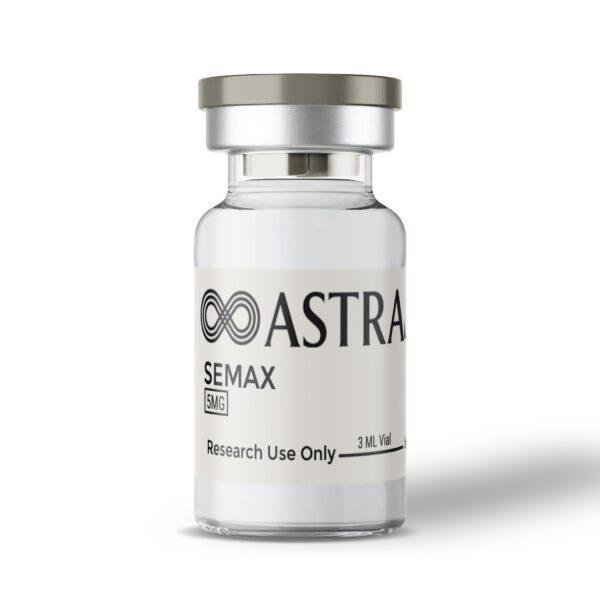
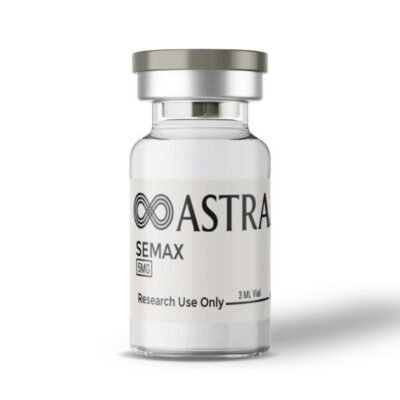
A 10 mg vial generally refers to the amount of peptide supplied in a research or compounded product and should not be interpreted as an approved therapeutic dose.
How Semax Works
Semax is believed to influence several biological pathways involved in brain function.
Research suggests Semax may:
- Increase brain-derived neurotrophic factor (BDNF) activity.
- Support neuronal growth and repair.
- Influence dopamine and serotonin signaling.
- Promote neuroplasticity.
- Help protect nerve cells from injury in experimental settings.
Although these mechanisms appear promising, additional high-quality clinical studies are needed to confirm their effects in routine medical practice.
Potential Uses of Semax
Because Semax is investigational in many countries, these are potential or regional clinical uses rather than universally approved indications.
Stroke Recovery
Semax has been used in Russia as part of treatment programs for patients recovering from ischemic stroke.
Researchers have investigated whether it may help:
- Improve neurological recovery.
- Support cognitive rehabilitation.
- Reduce the effects of brain injury.
Cognitive Function
Semax has been studied for its potential to support:
- Attention.
- Learning.
- Memory.
- Mental clarity.
- Cognitive performance.
Evidence remains limited outside regional clinical experience.
Traumatic Brain Injury
Researchers have explored Semax as a possible supportive treatment following traumatic brain injury because of its neuroprotective properties.
Optic Nerve Disorders
Some regional clinical experience has evaluated Semax in certain disorders affecting the optic nerve, although broader international evidence remains limited.
Research Applications
Scientists continue studying Semax for:
- Neuroprotection.
- Stress response.
- Brain plasticity.
- Cognitive decline.
- Neurodegenerative disorders.
These applications remain investigational.
Potential Benefits of Semax
Research suggests Semax may:
- Support cognitive performance.
- Improve attention and concentration.
- Promote learning and memory.
- Support neurological recovery after certain brain injuries.
- Enhance neuroplasticity.
- Increase levels of neurotrophic factors involved in brain health.
Because evidence varies in quality and much of it comes from regional studies, these potential benefits require further confirmation in larger international clinical trials.
Semax Dosage
There is no FDA-approved dosing schedule for Semax.
In countries where it has been used clinically or in research settings:
- Dosage depends on the medical indication.
- Administration schedules vary.
- Treatment duration is determined by healthcare professionals.
Many research products are supplied in 10 mg vials, but the vial strength should not be interpreted as the recommended dose.
Semax should only be used under the guidance of a qualified healthcare professional where its use is legally permitted.
How Semax Is Administered
Semax is most commonly administered as an intranasal spray in clinical and research settings.
Healthcare providers may recommend:
- Using the medication exactly as directed.
- Following the prescribed administration schedule.
- Avoiding changes to dosage without medical supervision.
Administration methods may differ depending on local regulations and clinical practice.
Missed Dose
If Semax is prescribed on a regular schedule and a dose is missed:
- Follow your healthcare provider’s instructions.
- Do not double the next dose.
- Resume the normal schedule unless advised otherwise.
Common Side Effects
Reported side effects may include:
- Mild nasal irritation.
- Headache.
- Dizziness.
- Temporary nasal discomfort.
- Mild anxiety.
- Difficulty sleeping.
- Fatigue.
Not everyone experiences side effects, and many reported reactions are mild.
Serious Side Effects
Seek immediate medical attention if you experience:
- Severe allergic reactions.
- Difficulty breathing.
- Swelling of the face or throat.
- Severe or persistent headache.
- Sudden neurological symptoms.
- Severe dizziness or fainting.
Although serious reactions appear uncommon, medical evaluation is important if they occur.
Safety Information
Before using Semax, inform your healthcare provider if you have:
- Neurological disorders.
- Heart disease.
- High blood pressure.
- Kidney disease.
- Liver disease.
- Pregnancy or plans to become pregnant.
- Breastfeeding.
- Known allergies to peptide medications.
Because Semax is not approved in many countries, treatment should occur only where legally permitted and under appropriate medical supervision.
Drug Interactions
Potential interactions have not been fully established.
Inform your healthcare provider about all:
- Prescription medications.
- Over-the-counter medicines.
- Vitamins.
- Herbal supplements.
- Cognitive-enhancing products.
- Other peptide therapies.
Pregnancy and Breastfeeding
There is insufficient information regarding the safety of Semax during pregnancy or breastfeeding.
Individuals who are pregnant, planning pregnancy, or breastfeeding should discuss potential risks and benefits with a qualified healthcare provider before considering treatment.
Storage
Store Semax according to the manufacturer’s instructions.
General recommendations include:
- Keep refrigerated if required by the product labeling.
- Protect from direct sunlight.
- Keep in the original container.
- Store out of reach of children.
- Do not use expired medication.
Storage recommendations may vary depending on the specific formulation.
Frequently Asked Questions (FAQs)
What is Semax 10 mg used for?
Semax is studied for its potential neuroprotective and cognitive-supporting effects. In Russia, it has been used for certain neurological conditions, while in many other countries it remains investigational.
Is Semax FDA approved?
No. Semax has not been approved by the U.S. FDA for the treatment of any medical condition.
How does Semax work?
Semax is believed to influence BDNF activity, neurotransmitter systems, and neuroplasticity, although its complete mechanism of action is still being investigated.
Can Semax improve memory?
Some studies suggest potential benefits for memory and cognitive performance, but more high-quality clinical research is needed.
Is Semax a nootropic?
Semax is often described as a nootropic because it has been investigated for cognitive enhancement, but these effects have not been conclusively established in large international clinical trials.
What are the most common side effects?
Commonly reported side effects include headache, nasal irritation, dizziness, fatigue, and mild nasal discomfort.
Can Semax be used during pregnancy?
There is insufficient safety information regarding its use during pregnancy, so it should only be considered under professional medical guidance where legally permitted.
Can Semax interact with other medications?
Potential interactions are not fully understood. Always tell your healthcare provider about all medications and supplements you take.
Is Semax available worldwide?
No. Regulatory status varies by country. It has clinical use in Russia, while in many other countries it remains investigational or unavailable for routine medical use.
Can healthy people use Semax for cognitive enhancement?
Evidence supporting routine use in healthy individuals is limited, and Semax is not approved for this purpose in many countries.
Final Thoughts
Semax is a synthetic peptide that has attracted scientific interest because of its potential neuroprotective and cognitive-supporting properties. Research suggests it may influence brain-derived neurotrophic factor (BDNF), neurotransmitter activity, and neuroplasticity, making it an important area of ongoing neurological research.
Although Semax has clinical use in Russia for certain neurological conditions, it remains investigational in many countries, including the United States. Additional large-scale clinical studies are needed to better establish its long-term safety, effectiveness, and approved medical uses.
Medical Disclaimer: This article is for educational and informational purposes only and should not replace professional medical advice, diagnosis, or treatment. Semax is not approved for routine medical use in many countries. Always consult a qualified healthcare professional before starting, stopping, or changing any medication or peptide therapy.
Be the first to review “SEMAX 10MG”
Related products

Peptides
Peptides

Peptides
Peptides

Peptides
Peptides
Peptides
2 reviews for SEMAX 10MG
There are no reviews yet.