
Glutathione 200 mg/mL 10 mL: Uses, Benefits, Safety, Research, and Frequently Asked Questions
What Is Glutathione 200 mg/mL 10 mL?
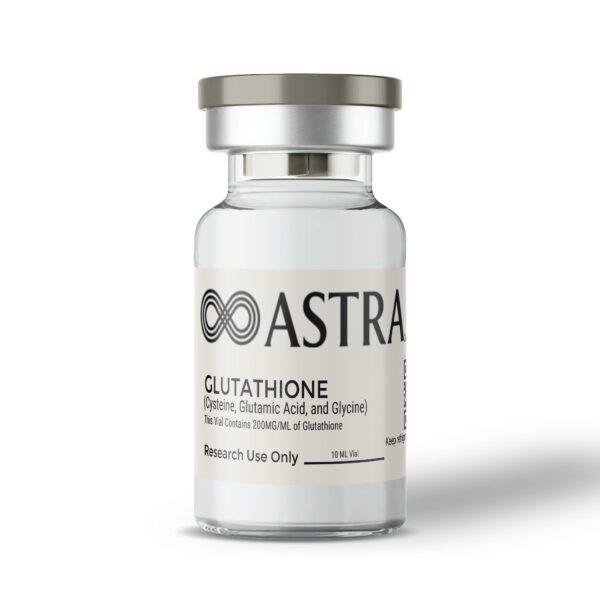
Glutathione 200 mg/mL 10 mL is a concentrated formulation of glutathione (GSH), a naturally occurring antioxidant found in cells throughout the body. Glutathione is made from three amino acids:
- Glutamate
- Cysteine
- Glycine
It plays an important role in protecting cells from oxidative stress, supporting normal cellular function, and helping maintain the body’s natural antioxidant defenses.
A 200 mg/mL, 10 mL vial contains a total volume of 10 mL with a concentration of 200 mg of glutathione per milliliter, resulting in 2,000 mg (2 grams) of glutathione in the full vial. Injectable glutathione products may be supplied in different formulations and are used under different medical and regulatory circumstances depending on the product and location.
It is important to note that while glutathione is a naturally occurring compound with extensive scientific research, specific injectable glutathione products are not universally approved for all wellness, cosmetic, or anti-aging uses. Uses should be discussed with a qualified healthcare professional.
How Glutathione Works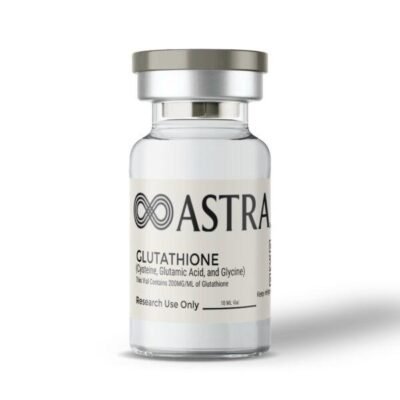
Glutathione is often described as one of the body’s major antioxidant systems.
It works by helping cells:
- Neutralize free radicals.
- Protect against oxidative damage.
- Maintain cellular balance.
- Support normal detoxification pathways.
- Recycle other antioxidants, including vitamins C and E.
Glutathione exists mainly in two forms:
Reduced Glutathione (GSH)
This is the active antioxidant form that helps neutralize oxidative molecules and maintain cellular protection.
Oxidized Glutathione (GSSG)
This form results after glutathione participates in antioxidant reactions. The body can convert it back into the active reduced form.
Maintaining a healthy balance between GSH and GSSG is considered an important indicator of cellular antioxidant status.
Why Is Glutathione Important?
Glutathione is involved in many biological processes, including:
- Antioxidant defense.
- Immune system function.
- Cellular repair.
- Protein function.
- Metabolism of certain compounds.
- Protection against oxidative stress.
Glutathione levels may be influenced by factors such as:
- Aging.
- Stress.
- Poor nutrition.
- Illness.
- Environmental exposures.
- Lifestyle factors.
Current Research Areas
Researchers continue studying glutathione in several areas of health and medicine.
Antioxidant and Cellular Protection Research
One of the primary areas of glutathione research involves its antioxidant activity.
Scientists study whether maintaining healthy glutathione levels may help support:
- Cellular protection.
- Healthy aging.
- Normal immune function.
- Resistance to oxidative stress.
Skin Health and Appearance
Glutathione has received attention in cosmetic and dermatology research because of its potential relationship with:
- Skin pigmentation pathways.
- Oxidative stress.
- Skin appearance.
- Cellular antioxidant protection.
Some studies have investigated glutathione in relation to skin tone and pigmentation, although results vary and more research is needed.
Immune System Research
Glutathione plays a role in immune cell function.
Researchers have studied its potential involvement in:
- Immune response regulation.
- Protection of immune cells.
- Inflammatory balance.
Liver and Detoxification Research
The liver uses glutathione as part of normal metabolic processes.
Researchers have investigated glutathione’s role in:
- Processing certain compounds.
- Supporting liver antioxidant defenses.
- Protecting cells from oxidative stress.
Exercise and Recovery Research
Because physical activity can increase oxidative stress, scientists have explored whether glutathione status may influence:
- Exercise recovery.
- Muscle oxidative balance.
- Cellular resilience.
More research is needed to determine specific clinical effects.
Potential Benefits Being Studied
Research has explored whether glutathione may support:
- Antioxidant protection.
- Cellular health.
- Immune function.
- Healthy aging.
- Skin appearance.
- Liver antioxidant pathways.
- Recovery from oxidative stress.
- Normal inflammatory balance.
These areas remain subjects of ongoing scientific investigation.
Glutathione and Skin Brightening Research
Glutathione is widely discussed in cosmetic and aesthetic communities because of research examining its potential effect on melanin pathways.
Researchers have studied whether glutathione may influence:
- Melanin production.
- Skin pigmentation.
- Overall skin appearance.
However, evidence remains mixed, and results may vary depending on factors such as:
- Individual biology.
- Formulation.
- Route of administration.
- Duration of use.
Possible Side Effects
Glutathione is generally considered well tolerated in many contexts, but side effects may occur.
Possible side effects may include:
- Injection-site discomfort.
- Redness or irritation.
- Allergic reactions.
- Nausea.
- Abdominal discomfort.
- Headache.
- Changes in skin response.
Individuals may respond differently depending on health status and formulation.
Potential Risks
Potential risks may include:
- Allergic reactions.
- Unknown effects from long-term use in certain populations.
- Product quality concerns with unregulated sources.
- Interactions with existing medical conditions.
Quality, purity, and manufacturing standards are important considerations when evaluating injectable products.
Who Should Use Caution?
Individuals should speak with a healthcare professional before using injectable glutathione, especially those who are:
- Pregnant.
- Breastfeeding.
- Living with chronic medical conditions.
- Receiving treatment for cancer.
- Managing asthma or severe allergies.
- Taking multiple medications.
Drug Interactions
Information regarding glutathione interactions is limited.
Individuals should inform their healthcare provider about:
- Prescription medications.
- Vitamins.
- Herbal supplements.
- Antioxidant supplements.
- Other injectable therapies.
A healthcare professional can help determine whether glutathione is appropriate based on personal health history.
Storage
Storage requirements depend on the specific manufacturer and formulation.
General storage guidance may include:
- Follow the product label instructions.
- Protect from excessive heat and direct light.
- Store according to manufacturer recommendations.
- Keep away from children.
- Do not use products that appear damaged or improperly stored.
Some injectable glutathione products require refrigeration, depending on formulation.
Frequently Asked Questions (FAQs)
What is glutathione?
Glutathione is a naturally occurring antioxidant molecule made from three amino acids: glutamate, cysteine, and glycine.
What is glutathione 200 mg/mL 10 mL?
It is a concentrated glutathione formulation containing 200 mg of glutathione per milliliter in a 10 mL vial. The total amount in the vial is 2,000 mg of glutathione.
What is glutathione used for?
Glutathione is studied for its antioxidant properties and its potential role in cellular protection, immune function, skin research, and oxidative stress pathways.
Is glutathione a peptide?
Yes. Glutathione is a small peptide made of three amino acids, but it is different from many synthetic research peptides because it naturally occurs in the human body.
Does glutathione support skin health?
Research has explored glutathione’s relationship with skin pigmentation and antioxidant protection, but more studies are needed to confirm specific cosmetic benefits.
Is glutathione FDA approved for skin whitening?
No. Injectable glutathione is not FDA-approved specifically for skin whitening purposes.
Is glutathione an antioxidant?
Yes. Glutathione is one of the body’s important antioxidant molecules involved in protecting cells from oxidative stress.
Does glutathione help with detoxification?
Glutathione participates in normal cellular detoxification pathways, especially in the liver. Claims about broad detox effects should be interpreted carefully because research varies.
Are glutathione injections safe?
Safety depends on the product, formulation, quality, and individual health factors. Injectable products should only be used under appropriate medical guidance.
How is glutathione different from NAC?
N-acetylcysteine (NAC) is a precursor that the body can use to produce glutathione, while glutathione itself is the antioxidant molecule.
Final Thoughts
Glutathione 200 mg/mL 10 mL is a concentrated glutathione formulation containing a naturally occurring antioxidant involved in cellular protection, oxidative balance, and normal physiological processes. Research has explored glutathione in areas including antioxidant defense, immune function, skin health, liver biology, and healthy aging.
Although glutathione has significant biological importance, many wellness and cosmetic claims require additional scientific evidence. Injectable glutathione products should be evaluated carefully, considering product quality, medical history, and professional guidance.
Educational Disclaimer: This article is intended for educational and informational purposes only. It is not medical advice, diagnosis, or treatment. Always consult a qualified healthcare professional before starting, stopping, or changing any medication, supplement, or injectable therapy.
Be the first to review “Glutathione 200MG/ML 10 ML”
Related products

Peptides
Peptides
Peptides
Peptides
Peptides
Peptides
Peptides
2 reviews for Glutathione 200MG/ML 10 ML
There are no reviews yet.