
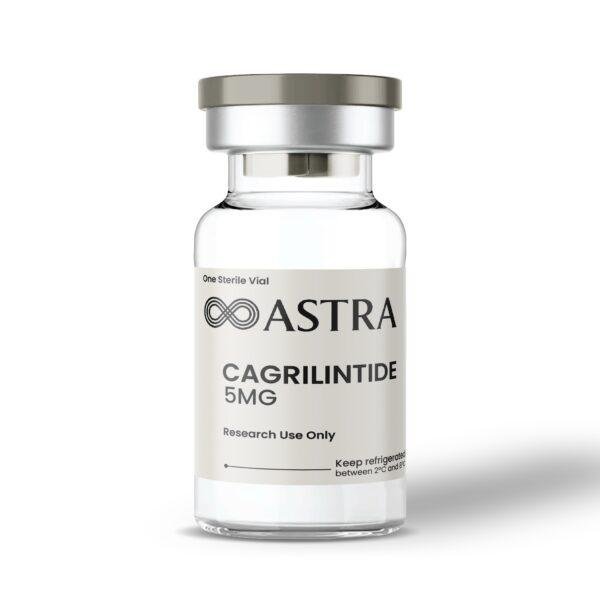
Cagrilintide: Uses, Research, Potential Benefits, Safety, and Frequently Asked Questions
What Is Cagrilintide?
Cagrilintide is an investigational long-acting peptide medicine being studied for its potential role in weight management, appetite regulation, and metabolic health.
Cagrilintide is a synthetic analogue of amylin, a hormone naturally produced by the pancreas that helps regulate processes related to:
- Appetite control.
- Food intake.
- Blood glucose regulation.
- Stomach emptying.
- Energy balance.
Researchers are studying cagrilintide because it may influence signals involved in hunger, fullness, and body weight regulation.
Cagrilintide is not currently approved as a general prescription treatment in many regions, and ongoing clinical research is evaluating its effectiveness, safety, and possible medical applications.
How Cagrilintide Works
Cagrilintide is designed to mimic some effects of the natural hormone amylin.
Amylin-related pathways may affect:
- Appetite signals — helping regulate feelings of hunger and fullness.
- Brain pathways — involved in food reward and eating behavior.
- Gastrointestinal activity — including the rate at which food leaves the stomach.
- Metabolic processes — related to energy balance.
Researchers believe cagrilintide may work by activating amylin receptors and influencing areas of the brain involved in appetite regulation.
Potential effects being studied include:
- Reduced appetite.
- Increased feelings of fullness.
- Reduced food intake.
- Support for weight management strategies.
Cagrilintide Research Uses
Weight Management Research
Cagrilintide has been studied as a potential treatment option for people with overweight or obesity.
Research areas include:
- Reduction of body weight.
- Appetite regulation.
- Long-term weight management.
- Improvements in metabolic health markers.
Clinical studies are evaluating how cagrilintide may compare with existing weight management approaches.
Metabolic Health Research
Researchers are investigating whether cagrilintide may influence:
- Blood sugar regulation.
- Insulin sensitivity.
- Body composition.
- Fat metabolism.
These studies aim to understand how appetite-related hormones interact with metabolic function.
Combination Therapy Research
Scientists have also investigated combinations involving cagrilintide and other metabolic medicines.
Research has explored whether combining different pathways may provide additional effects on:
- Appetite control.
- Weight reduction.
- Metabolic outcomes.
Combination approaches remain an area of ongoing scientific investigation.
Potential Benefits of Cagrilintide
Research studies have explored several possible benefits, including:
- Support for appetite regulation.
- Increased feelings of fullness.
- Potential reduction in calorie intake.
- Support for weight management.
- Possible improvements in certain metabolic markers.
The potential benefits of cagrilintide are based on clinical research findings, and individual results may vary.
Cagrilintide Dosage Information
Cagrilintide is an investigational medicine, and dosing schedules used in research studies are determined by clinical trial protocols.
Factors considered in clinical research include:
- Study design.
- Participant health characteristics.
- Treatment goals.
- Safety monitoring results.
A healthcare professional should determine appropriate treatment options for approved medicines. Experimental compounds should not be used without appropriate medical guidance.
How Cagrilintide Is Studied
Clinical researchers evaluate cagrilintide through:
- Controlled clinical trials.
- Safety monitoring.
- Laboratory testing.
- Metabolic assessments.
- Weight and appetite measurements.
Researchers may monitor:
- Body weight changes.
- Appetite patterns.
- Blood markers.
- Adverse effects.
- Overall health outcomes.
Common Side Effects Reported in Research
As with many medicines affecting appetite and digestion, studies have reported possible side effects such as:
- Nausea.
- Vomiting.
- Reduced appetite.
- Diarrhea.
- Constipation.
- Abdominal discomfort.
- Digestive system changes.
Side effects may vary depending on the individual, dosage studied, and treatment duration.
Serious Safety Considerations
Medical supervision is important when studying or using medicines that affect metabolism and appetite pathways.
Potential concerns may include:
- Severe digestive symptoms.
- Allergic reactions.
- Changes in blood sugar regulation.
- Effects on existing medical conditions.
People with medical conditions or those taking other medications should discuss treatment options with a qualified healthcare professional.
Cagrilintide Safety Information
Before considering any medication affecting appetite or metabolism, healthcare providers may review:
- Medical history.
- Current medications.
- Weight-related health conditions.
- Blood sugar status.
- Digestive health.
- Previous medication reactions.
Regular monitoring may include:
- Weight measurements.
- Metabolic testing.
- Health assessments.
- Side effect evaluation.
Drug Interactions and Considerations
Because cagrilintide affects appetite and digestion, researchers consider possible interactions with:
- Diabetes medications.
- Medicines affected by changes in stomach emptying.
- Other weight management treatments.
- Medications requiring careful blood sugar monitoring.
Always inform a healthcare provider about prescription medicines, supplements, and health conditions.
Pregnancy and Breastfeeding
The safety of investigational medicines such as cagrilintide during pregnancy and breastfeeding requires medical evaluation.
Individuals who are:
- Pregnant.
- Planning pregnancy.
- Breastfeeding.
should discuss treatment decisions with a healthcare professional.
Storage Information
Storage requirements depend on the specific formulation and manufacturer instructions.
Research compounds should generally be:
- Stored according to product instructions.
- Protected from unsuitable temperatures.
- Handled carefully.
- Kept away from children.
Frequently Asked Questions (FAQs)
What is cagrilintide used for?
Cagrilintide is an investigational peptide medicine being studied for potential applications in weight management and metabolic health.
Is cagrilintide approved?
Approval status depends on the country and regulatory review process. It remains an investigational compound in many regions.
How does cagrilintide work?
Cagrilintide works by mimicking aspects of the hormone amylin, which is involved in appetite regulation, fullness signals, and energy balance.
Can cagrilintide help with weight loss?
Clinical studies are investigating whether cagrilintide may support weight reduction by affecting appetite and food intake.
Is cagrilintide the same as semaglutide?
No. Cagrilintide and semaglutide are different compounds that act through different biological pathways, although both are being studied in weight management research.
Does cagrilintide reduce appetite?
Research suggests cagrilintide may influence appetite-related signals and increase feelings of fullness.
What are common side effects of cagrilintide?
Reported research side effects may include nausea, digestive discomfort, vomiting, constipation, and changes in appetite.
Can anyone use cagrilintide?
Cagrilintide should only be considered within appropriate medical or clinical research settings until approved and fully evaluated.
How long does cagrilintide take to work?
Research studies evaluate changes over time, but individual responses may vary depending on health factors and treatment conditions.
Is cagrilintide a peptide?
Yes. Cagrilintide is a synthetic peptide analogue designed to interact with amylin-related pathways.
Final Thoughts
Cagrilintide is an emerging investigational peptide medicine being studied for its potential role in appetite regulation, weight management, and metabolic health.
Research suggests that cagrilintide may influence biological pathways involved in hunger, fullness, and energy balance. However, continued clinical investigation is needed to fully understand its long-term safety, effectiveness, and appropriate medical applications.
Medical Disclaimer: This article is for educational and informational purposes only and should not replace professional medical advice, diagnosis, or treatment. Always consult a qualified healthcare professional before starting, stopping, or changing any medication or health-related therapy.
Be the first to review “Cagrilintide”
Related products
Peptides
Peptides
Peptides
Peptides
Peptides
Peptides
Peptides
Peptides
Reviews
There are no reviews yet.