
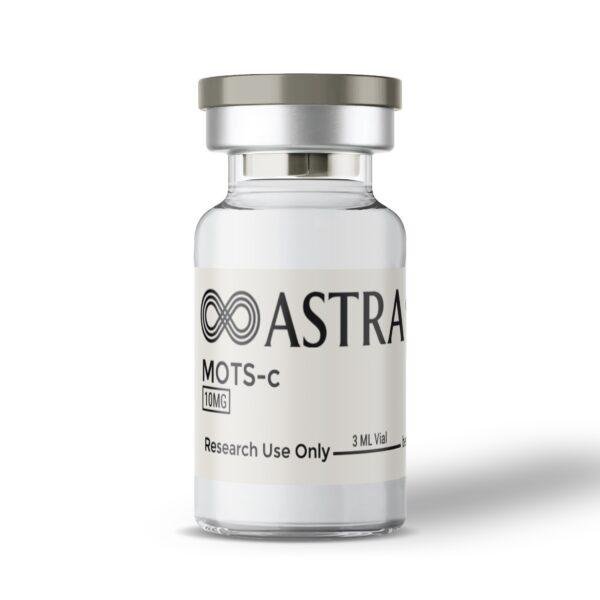
MOTS-C: Research Overview, Mechanism, Safety, Potential Effects, and Frequently Asked Questions
What Is MOTS-C?
MOTS-C is a naturally occurring mitochondrial-derived peptide that has been studied in scientific research for its potential role in cellular metabolism, mitochondrial function, and biological signaling pathways.
MOTS-C is a small peptide encoded within mitochondrial DNA and is considered an important area of research in mitochondrial biology and metabolic science.
MOTS-C is a research peptide and is not an approved medication for diagnosing, treating, curing, or preventing any disease.
MOTS-C research commonly focuses on:
- Mitochondrial biology.
- Cellular energy regulation.
- Metabolic signaling pathways.
- Exercise-related biological processes.
- Molecular communication.
- Aging and cellular research.
How MOTS-C Works
MOTS-C has been studied for its interaction with cellular pathways involved in energy metabolism and mitochondrial communication.
Research suggests MOTS-C may influence:
- Mitochondrial signaling — related to cellular energy regulation.
- AMPK pathways — involved in cellular energy balance and metabolic responses.
- Metabolic regulation — associated with nutrient and energy utilization.
- Cellular stress responses — studied in relation to biological adaptation.
Through these pathways, MOTS-C has been investigated for its potential role in:
- Mitochondrial research.
- Metabolic biology.
- Cellular adaptation studies.
- Molecular signaling research.
MOTS-C Research Overview
MOTS-C is primarily studied in laboratory and scientific research environments.
Research areas may include:
Mitochondrial Function Research
Scientists investigate MOTS-C to better understand:
- Mitochondrial communication.
- Cellular energy production.
- Metabolic adaptation.
- Biological signaling.
Metabolic Research
Researchers study MOTS-C in relation to:
- Energy metabolism.
- Nutrient sensing pathways.
- Cellular glucose regulation.
- Metabolic signaling mechanisms.
Aging and Cellular Biology Research
MOTS-C research may involve:
- Cellular aging processes.
- Mitochondrial health.
- Stress-response pathways.
- Biological longevity mechanisms.
Potential Effects Under Investigation
Scientific research has explored MOTS-C in relation to several biological processes.
Areas under investigation include:
- Mitochondrial activity.
- Cellular energy pathways.
- Metabolic signaling.
- Exercise-related molecular responses.
- Cellular stress adaptation.
- Biological aging mechanisms.
Research findings may vary depending on the study model, methodology, and experimental conditions.
MOTS-C Research Benefits
Because MOTS-C is a research peptide and not an approved therapeutic treatment, potential benefits are considered areas of scientific investigation rather than proven medical effects.
Researchers study MOTS-C for:
- Understanding mitochondrial communication.
- Exploring metabolic pathways.
- Investigating cellular energy regulation.
- Studying molecular adaptation.
- Advancing mitochondrial research.
- Understanding biological signaling systems.
MOTS-C Research Information
Research involving MOTS-C may examine:
- Peptide structure.
- Mitochondrial signaling.
- Molecular interactions.
- Cellular responses.
- Metabolic pathways.
- Biological mechanisms.
Scientific analysis may include:
- Molecular testing.
- Cellular studies.
- Biochemical evaluation.
- Peptide characterization.
- Laboratory research models.
How MOTS-C Is Studied
MOTS-C is evaluated through controlled scientific research methods.
Research studies may examine:
- Mitochondrial responses.
- Cellular energy pathways.
- Molecular signaling.
- Metabolic activity.
- Biological adaptation mechanisms.
The research approach depends on the objectives, scientific model, and design of each study.
Possible Side Effects and Safety Information
The complete safety profile of MOTS-C has not been established for therapeutic use in humans.
Because MOTS-C remains a research peptide, possible concerns require further investigation.
Research considerations may include:
- Biological responses to peptide activity.
- Cellular pathway changes.
- Individual variability.
- Effects related to metabolic signaling.
Additional studies are needed to better understand long-term safety and biological effects.
Safety Information
Before considering peptide-related products, it is important to understand:
- MOTS-C is not an approved prescription medication.
- Research findings may not directly translate into human health outcomes.
- Long-term safety information remains limited.
- Product quality and purity may vary.
- Professional healthcare guidance is recommended for health-related decisions.
Individuals with metabolic conditions or other health concerns should consult a qualified healthcare professional.
Drug Interactions
Because MOTS-C is a research peptide, established drug interaction information is limited.
Potential considerations may include:
- Metabolism-related medications.
- Hormone-related compounds.
- Other research peptides.
- Supplements affecting cellular pathways.
Always inform healthcare professionals about all medications, supplements, and compounds being considered.
Alcohol and MOTS-C
Scientific information regarding alcohol interactions with MOTS-C is limited.
Alcohol may influence:
- Metabolic processes.
- Cellular function.
- Mitochondrial activity.
- Overall physiological responses.
Further research is required to understand possible interactions.
Pregnancy and Breastfeeding
The safety of MOTS-C during pregnancy and breastfeeding has not been established.
If you are:
- Pregnant.
- Planning pregnancy.
- Breastfeeding.
Consult a qualified healthcare professional before considering peptide-related products.
Storage Information
Research peptides such as MOTS-C should be stored according to manufacturer instructions.
General storage considerations may include:
- Protecting from heat and moisture.
- Following labeled storage recommendations.
- Maintaining appropriate packaging.
- Avoiding improper handling.
- Keeping products away from children.
Storage requirements may vary depending on formulation and packaging.
Frequently Asked Questions (FAQs)
What is MOTS-C?
MOTS-C is a mitochondrial-derived peptide studied in scientific research for its role in mitochondrial biology, cellular metabolism, and molecular signaling.
Is MOTS-C an approved medication?
No. MOTS-C is not approved as a prescription medication for treating medical conditions.
What is MOTS-C studied for?
MOTS-C is studied to understand mitochondrial function, metabolic pathways, cellular signaling, and biological responses.
How does MOTS-C work?
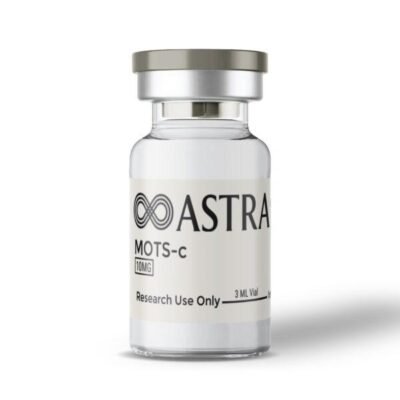
MOTS-C has been researched for its interaction with mitochondrial and metabolic signaling pathways, including pathways involved in cellular energy regulation.
Is MOTS-C a peptide?
Yes. MOTS-C is a naturally occurring mitochondrial-derived peptide studied in laboratory research.
Is MOTS-C a steroid?
No. MOTS-C is a peptide and is not an anabolic steroid.
What role does mitochondria play in MOTS-C research?
Mitochondria are cellular structures involved in energy production, and MOTS-C research explores mitochondrial communication and regulation.
How is MOTS-C studied?
MOTS-C is studied through molecular research, cellular experiments, biochemical analysis, and laboratory models.
Does MOTS-C have approved medical uses?
No. MOTS-C does not currently have approved medical uses as a prescription treatment.
Can MOTS-C affect metabolism?
MOTS-C has been researched for its potential relationship with metabolic signaling pathways.
Is MOTS-C safe?
The complete safety profile of MOTS-C has not been established for therapeutic use, and further research is needed.
Why is MOTS-C researched?
Researchers study MOTS-C to understand mitochondrial biology, cellular communication, and metabolic regulation.
Where is MOTS-C researched?
MOTS-C has been investigated in scientific and laboratory research environments.
What makes MOTS-C different from other peptides?
MOTS-C is unique because it originates from mitochondrial DNA and is studied as a mitochondrial-derived signaling peptide.
Is more research needed on MOTS-C?
Yes. Additional research is needed to better understand its biological activity, safety, and potential research applications.
Final Thoughts
MOTS-C is a mitochondrial-derived research peptide investigated for its relationship with cellular energy regulation, mitochondrial communication, and metabolic signaling pathways. Scientific studies focus on understanding how this peptide interacts with biological systems.
Because MOTS-C is not an approved medication, its safety profile, long-term effects, and potential applications require continued scientific investigation.
Educational Disclaimer: This article is provided for educational and informational purposes only. MOTS-C is a research peptide and is not approved for the diagnosis, treatment, cure, or prevention of any disease. This information should not replace professional medical advice, diagnosis, or treatment. Always consult a qualified healthcare professional for health-related decisions.
Be the first to review “MOTS-C”
Related products
Peptides

Peptides

Peptides
Peptides
Peptides
Peptides
Peptides
Peptides
2 reviews for MOTS-C
There are no reviews yet.