

GHK-Cu: Uses, Research, Potential Benefits, Safety, and Frequently Asked Questions
What Is GHK-Cu?
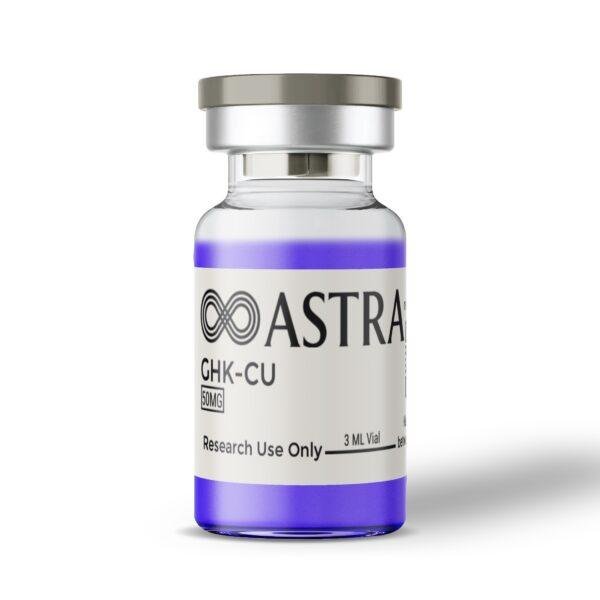
GHK-Cu (Glycyl-L-Histidyl-L-Lysine Copper) is a naturally occurring copper-binding peptide found in the human body. It was first identified in human plasma in the 1970s and has since been detected in saliva and urine. GHK-Cu naturally binds to copper ions, forming a complex that has been widely studied for its potential role in tissue repair, skin health, wound healing, and hair biology.
Researchers have investigated GHK-Cu because of its ability to influence cellular signaling involved in tissue remodeling, inflammation, collagen production, and antioxidant activity. As people age, naturally occurring GHK-Cu levels decline, prompting interest in its potential role in age-related biological processes.
It is important to note that GHK-Cu is not approved by the U.S. Food and Drug Administration (FDA) as a prescription medication for the treatment of disease. While it is widely used as an ingredient in some cosmetic skincare products, many other applications remain experimental and continue to be studied.
How GHK-Cu Works
GHK-Cu acts as a cell-signaling peptide, meaning it helps regulate biological processes involved in tissue maintenance and repair.
Researchers believe GHK-Cu may influence:
- Collagen and elastin production.
- Wound healing processes.
- Skin remodeling.
- Antioxidant defense mechanisms.
- Inflammatory responses.
- Cellular regeneration.
- Gene expression related to tissue repair.
By binding copper, an essential trace mineral involved in numerous enzymatic reactions, GHK-Cu may help support normal cellular function in tissues being studied.
Current Research Areas
Scientists continue to investigate GHK-Cu across several fields of biomedical research.
Skin Health
One of the most extensively studied areas is skin biology.
Researchers have explored whether GHK-Cu may influence:
- Collagen production.
- Skin elasticity.
- Skin firmness.
- Fine lines and wrinkles.
- Overall skin appearance.
- Tissue remodeling following damage.
Its inclusion in certain cosmetic formulations is based on research into these biological effects.
Wound Healing
GHK-Cu has been studied for its potential role in the body’s natural wound-healing process.
Areas of investigation include:
- Tissue regeneration.
- Formation of new blood vessels (angiogenesis).
- Reduction of inflammation.
- Remodeling of damaged tissue.
Further clinical studies are needed to determine how these findings may translate into therapeutic applications.
Hair Research
Researchers have also explored whether GHK-Cu may influence hair follicle biology.
Studies have investigated its potential effects on:
- Hair follicle health.
- Hair growth cycles.
- Scalp environment.
- Hair density.
Current evidence remains limited, and additional human research is necessary.
Anti-Aging Research
Because collagen production and tissue repair naturally decline with age, GHK-Cu has attracted interest in healthy aging research.
Scientists continue studying whether it may influence:
- Skin aging.
- Cellular repair.
- Oxidative stress.
- Connective tissue maintenance.
These investigations remain ongoing.
Regenerative Medicine
Experimental studies have examined GHK-Cu for its possible role in regenerative medicine.
Research areas include:
- Tissue engineering.
- Cellular regeneration.
- Nerve repair.
- Bone healing.
- Organ tissue recovery.
Most of these applications remain in preclinical or early-stage research.
Potential Effects Being Studied
Current research has explored whether GHK-Cu may influence:
- Collagen synthesis.
- Elastin production.
- Skin firmness.
- Tissue repair.
- Wound healing.
- Hair follicle function.
- Antioxidant activity.
- Inflammatory responses.
- Cellular regeneration.
- Healthy aging processes.
These potential effects have not been conclusively established for routine medical treatment.
Possible Benefits Under Investigation
Researchers continue studying whether GHK-Cu may potentially:
- Support healthy skin appearance.
- Promote collagen formation.
- Assist normal tissue repair.
- Influence wound healing processes.
- Support hair follicle biology.
- Help maintain connective tissue health.
- Reduce oxidative stress at the cellular level.
Additional well-designed clinical studies are required before these potential benefits can be confirmed.
Possible Side Effects
GHK-Cu has generally been well tolerated in cosmetic studies, but its overall safety profile varies depending on the formulation and route of administration.
Reported side effects may include:
- Mild skin irritation.
- Redness.
- Temporary itching.
- Dryness.
- Injection-site irritation when used in research settings.
- Mild allergic reactions in sensitive individuals.
Not everyone experiences side effects, and long-term safety data remain limited for experimental uses.
Potential Risks
Researchers continue evaluating the safety of GHK-Cu.
Areas of ongoing investigation include:
- Unknown long-term effects.
- Individual allergic reactions.
- Effects of prolonged exposure.
- Safety of non-cosmetic formulations.
Because many applications remain experimental, long-term human data are limited.
Who Should Use Caution?
Individuals should consult a qualified healthcare professional before using products containing GHK-Cu, particularly if they are:
- Pregnant.
- Breastfeeding.
- Living with chronic skin disorders.
- Receiving treatment for serious medical conditions.
- Allergic to copper-containing products.
- Taking medications that may affect wound healing.
Drug Interactions
Limited research has evaluated drug interactions involving GHK-Cu.
Potential interactions may depend on the specific formulation being used.
Individuals should inform their healthcare provider about:
- Prescription medications.
- Over-the-counter medicines.
- Herbal supplements.
- Cosmetic treatments.
- Other skincare products.
Storage
Storage recommendations vary depending on the formulation.
General guidance includes:
- Follow the manufacturer’s storage instructions.
- Protect from excessive heat and direct sunlight.
- Store in the original container.
- Keep products tightly closed when not in use.
- Keep out of reach of children.
Frequently Asked Questions (FAQs)
What is GHK-Cu?
GHK-Cu is a naturally occurring copper-binding peptide that has been studied for its potential role in skin health, tissue repair, wound healing, and hair biology.
What is GHK-Cu used for?
GHK-Cu is commonly used as an ingredient in some cosmetic skincare products and is also being studied in scientific research related to tissue repair, regenerative medicine, and healthy aging.
Is GHK-Cu FDA approved?
GHK-Cu is not approved by the U.S. FDA as a prescription medication for treating diseases. However, it may be included in cosmetic products intended to improve skin appearance.
Is GHK-Cu a growth factor?
No. GHK-Cu is a peptide, not a growth factor, although it may influence biological pathways involved in tissue repair and regeneration.
Does GHK-Cu stimulate collagen?
Research suggests GHK-Cu may influence collagen production and extracellular matrix remodeling, but additional clinical studies are needed to determine its effectiveness in medical applications.
Is GHK-Cu used in skincare?
Yes. GHK-Cu is commonly included in certain cosmetic serums, creams, and anti-aging skincare products because of research into its potential effects on skin appearance.
Can GHK-Cu help with hair growth?
Researchers have explored its potential effects on hair follicles and scalp biology, but current evidence is insufficient to establish it as a proven treatment for hair loss.
What side effects have been reported?
Reported side effects are generally mild and may include skin irritation, redness, itching, dryness, or temporary discomfort depending on the formulation.
Is long-term safety known?
Long-term safety data remain limited, particularly for experimental applications outside cosmetic use.
Why is GHK-Cu being studied?
Scientists continue studying GHK-Cu because of its potential involvement in tissue repair, collagen production, wound healing, skin biology, hair research, antioxidant activity, and regenerative medicine.
Final Thoughts
GHK-Cu is a naturally occurring copper peptide that has become an important area of scientific research because of its potential role in skin health, collagen production, tissue repair, wound healing, and regenerative biology. It is also widely used as an ingredient in cosmetic skincare formulations designed to improve the appearance of aging skin.
Although research findings are promising in several areas, many medical applications remain experimental, and additional human clinical studies are needed to establish long-term safety and effectiveness. GHK-Cu is not approved by the U.S. FDA as a prescription treatment for disease, and its use should be based on evidence-based guidance and consultation with a qualified healthcare professional.
Educational Disclaimer: This article is provided for educational and informational purposes only. It should not be considered medical advice, diagnosis, or treatment. Research involving GHK-Cu is ongoing, and many potential applications remain investigational. Always consult a qualified healthcare professional regarding medical concerns or treatment decisions.
Be the first to review “GHK-Cu”
Related products
Peptides
Peptides
Peptides
Peptides
Peptides
Peptides
Peptides
Peptides
2 reviews for GHK-Cu
There are no reviews yet.