

DSIP 5 mg: Uses, Research, Potential Benefits, Safety, and Frequently Asked Questions
What Is DSIP 5 mg?
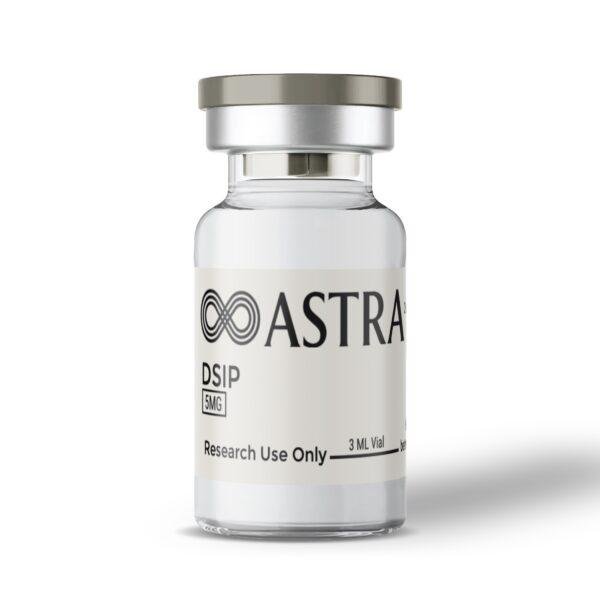
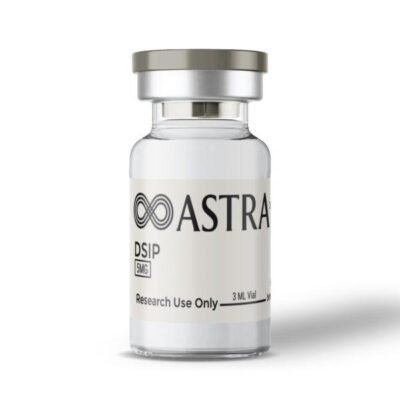
DSIP (Delta Sleep-Inducing Peptide) 5 mg is a synthetic form of Delta Sleep-Inducing Peptide, a naturally occurring peptide first identified in the 1970s during research into sleep regulation. Scientists have studied DSIP because of its potential role in sleep, stress responses, hormone regulation, pain perception, and nervous system function.
Although DSIP has generated scientific interest for decades, its biological role remains incompletely understood. Research findings have been mixed, and additional high-quality clinical studies are needed to determine its effectiveness and safety in humans.
It is important to note that DSIP is not approved by the U.S. Food and Drug Administration (FDA) for the treatment of any medical condition. Products containing DSIP are generally marketed for laboratory and scientific research purposes rather than approved clinical use.
How DSIP Works
The exact mechanism of DSIP has not been fully established.
Researchers believe DSIP may influence several biological systems, including:
- Sleep regulation.
- Circadian rhythm.
- Stress response.
- Neurotransmitter activity.
- Hormone release.
- Central nervous system signaling.
Unlike traditional sleeping medications, DSIP has been investigated for its potential ability to influence natural physiological processes involved in sleep rather than directly producing sedation.
However, more research is needed to confirm these effects.
Current Research Areas
Scientists continue to investigate DSIP across several areas of neuroscience and physiology.
Sleep Research
DSIP was originally studied because of its potential involvement in delta-wave sleep, the deep stage of non-rapid eye movement (NREM) sleep associated with physical restoration and recovery.
Researchers have explored whether DSIP may influence:
- Sleep quality.
- Sleep architecture.
- Deep sleep.
- Sleep efficiency.
- Circadian rhythm regulation.
Research findings have been inconsistent, and its precise role in sleep remains under investigation.
Stress Response
Some laboratory studies have examined whether DSIP may influence the body’s response to physical and psychological stress.
Areas of investigation include:
- Stress hormone regulation.
- Adaptation to stressful conditions.
- Nervous system recovery.
Further clinical research is needed to better understand these potential effects.
Pain Research
Researchers have investigated whether DSIP may affect pain perception through interactions with the central nervous system.
Current evidence remains limited, and no conclusions can be drawn regarding its effectiveness for pain management.
Hormonal Regulation
Some studies have explored possible effects of DSIP on hormone activity, including hormones involved in:
- Growth hormone release.
- Cortisol regulation.
- Reproductive hormone function.
These findings remain preliminary and require additional investigation.
Neurological Research
Researchers have also examined DSIP for its potential role in:
- Brain function.
- Neuroprotection.
- Nervous system recovery.
- Cellular stress responses.
These studies are largely experimental and should not be interpreted as established clinical benefits.
Potential Effects Being Studied
Current research has investigated whether DSIP may influence:
- Sleep quality.
- Deep sleep.
- Circadian rhythm.
- Stress adaptation.
- Recovery.
- Hormone regulation.
- Nervous system function.
- Cognitive performance.
- Pain perception.
These potential effects have not been conclusively established for routine medical use.
Possible Benefits Under Investigation
Researchers continue studying whether DSIP may potentially:
- Support healthy sleep patterns.
- Influence restorative sleep.
- Promote relaxation.
- Support recovery following physical stress.
- Influence hormonal balance.
- Affect nervous system regulation.
More well-designed human studies are necessary before these potential benefits can be confirmed.
Possible Side Effects
Because DSIP has not been extensively studied in large human clinical trials, its complete safety profile is unknown.
Reported side effects have included:
- Drowsiness.
- Fatigue.
- Headache.
- Mild dizziness.
- Temporary injection-site irritation.
- Changes in sleep patterns.
Not everyone experiences side effects, and available safety data remain limited.
Potential Risks
Researchers continue evaluating potential risks associated with DSIP.
Areas of concern include:
- Unknown long-term safety.
- Hormonal effects.
- Individual variability in response.
- Limited human safety data.
Further research is needed to better understand these risks.
Who Should Avoid DSIP?
Anyone considering experimental peptides should first consult a qualified healthcare professional.
Extra caution may be appropriate for individuals who are:
- Pregnant.
- Breastfeeding.
- Living with serious neurological disorders.
- Receiving treatment for hormone-related conditions.
- Taking medications that affect the central nervous system.
- Managing significant chronic medical conditions.
Drug Interactions
Information regarding drug interactions with DSIP is limited.
Researchers recommend considering possible interactions with:
- Sleep medications.
- Sedatives.
- Anti-anxiety medications.
- Antidepressants.
- Other medications that affect the central nervous system.
Always inform your healthcare provider about all medications, vitamins, and supplements you take.
Storage
Storage recommendations depend on the manufacturer and formulation.
General guidance may include:
- Store according to the manufacturer’s instructions.
- Protect from excessive heat, moisture, and direct sunlight.
- Follow any refrigeration recommendations if applicable.
- Keep out of reach of children.
Frequently Asked Questions (FAQs)
What is DSIP?
DSIP, or Delta Sleep-Inducing Peptide, is a synthetic research peptide derived from a naturally occurring peptide that has been studied for its potential role in sleep regulation and nervous system function.
What is DSIP 5 mg used for?
DSIP 5 mg is primarily used in scientific and laboratory research exploring sleep physiology, stress responses, hormone regulation, and neurological function. It is not approved for treating medical conditions.
Is DSIP FDA approved?
No. DSIP is not approved by the U.S. Food and Drug Administration (FDA) for the treatment of any disease or medical condition.
Does DSIP help with sleep?
Researchers have investigated whether DSIP may influence sleep quality and deep sleep, but current evidence is limited and inconsistent.
Is DSIP a hormone?
No. DSIP is a peptide and is not classified as a hormone, although researchers have explored possible interactions with hormone regulation.
Is DSIP a sleeping pill?
No. DSIP is not a traditional sleeping medication and is not approved for the treatment of insomnia or other sleep disorders.
What side effects have been reported?
Reported side effects include drowsiness, fatigue, headache, dizziness, and temporary injection-site irritation, although available human safety data are limited.
Is long-term safety known?
No. Long-term safety has not been established through large clinical studies.
Can DSIP be used with other medications?
Because interaction data are limited, anyone considering experimental peptides should consult a qualified healthcare professional before combining them with prescription medications or supplements.
Why is DSIP being studied?
Researchers continue studying DSIP to better understand its possible effects on sleep regulation, stress responses, nervous system function, hormone activity, and recovery.
Final Thoughts
DSIP 5 mg is a synthetic research peptide that has attracted scientific interest because of its potential involvement in sleep regulation, stress responses, hormone activity, and nervous system function. Although decades of research have explored these areas, its exact biological role remains uncertain, and additional human clinical studies are needed to establish its safety and effectiveness.
At present, DSIP is not approved by the U.S. FDA for the treatment of any medical condition, and available evidence does not support its routine clinical use. Ongoing research may provide a clearer understanding of its potential applications in the future.
Educational Disclaimer: This article is intended for educational and informational purposes only. It should not be considered medical advice, diagnosis, or treatment. DSIP is an experimental research peptide that is not approved by the U.S. Food and Drug Administration (FDA) for treating any disease. Always consult a qualified healthcare professional regarding medical questions or treatment decisions.
Be the first to review “DSIP 5MG”
Related products
Peptides

Peptides
Peptides
Peptides
Peptides
Peptides
Peptides
Peptides
3 reviews for DSIP 5MG
There are no reviews yet.