
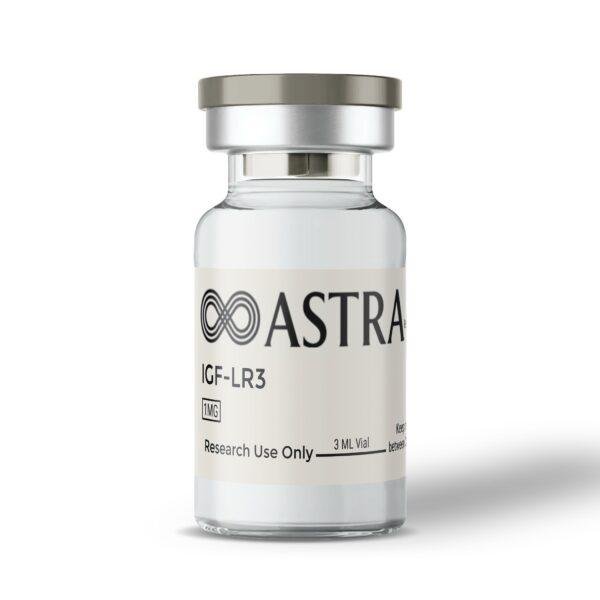
IGF-1 LR3 1 mg: Uses, Research, Potential Benefits, Safety, and Frequently Asked Questions
What Is IGF-1 LR3 1 mg?
IGF-1 LR3 (Insulin-Like Growth Factor-1 Long R3) 1 mg is a synthetic analog of insulin-like growth factor-1 (IGF-1) that has been modified to remain active in the body longer than naturally occurring IGF-1. Researchers developed IGF-1 LR3 by altering its amino acid sequence, resulting in a longer half-life and reduced binding to certain IGF-binding proteins.
IGF-1 is a naturally occurring hormone primarily produced by the liver in response to growth hormone (GH). It plays an important role in normal growth, development, tissue repair, and cellular function.
Because of its biological activity, IGF-1 LR3 has been studied in laboratory and preclinical research involving muscle biology, tissue regeneration, metabolism, and cell signaling.
It is important to note that IGF-1 LR3 is not approved by the U.S. Food and Drug Administration (FDA) for the treatment of any medical condition. Products marketed as IGF-1 LR3 are generally intended for laboratory and scientific research rather than approved clinical use.
How IGF-1 LR3 Works
IGF-1 LR3 binds to IGF-1 receptors located on many cell types throughout the body.
Activation of these receptors influences biological processes involved in:
- Cell growth.
- Protein synthesis.
- Cellular repair.
- Tissue development.
- Glucose metabolism.
- Skeletal muscle biology.
Compared with naturally occurring IGF-1, the modified structure of IGF-1 LR3 has been designed to remain biologically active for a longer period, making it a useful tool for scientific research.
Current Research Areas
Researchers continue investigating IGF-1 LR3 across several fields of biology and medicine.
Muscle Biology
One of the most common research areas involves skeletal muscle.
Scientists have studied whether IGF-1 LR3 may influence:
- Muscle protein synthesis.
- Muscle cell growth.
- Muscle regeneration.
- Cellular adaptation following exercise.
Most evidence comes from laboratory and animal studies, with limited human research.
Tissue Repair
Researchers have explored the potential role of IGF-1 LR3 in:
- Connective tissue biology.
- Muscle repair.
- Cellular regeneration.
- Recovery following tissue injury.
Additional clinical research is needed before these findings can be translated into routine medical practice.
Metabolic Research
IGF-1 plays an important role in metabolism.
Studies have examined how IGF-1 LR3 may affect:
- Glucose utilization.
- Insulin signaling.
- Energy metabolism.
- Cellular nutrient uptake.
Because IGF-1 can influence blood sugar regulation, this remains an important area of ongoing investigation.
Bone and Connective Tissue Research
Researchers have investigated whether IGF-1 signaling may influence:
- Bone remodeling.
- Cartilage biology.
- Connective tissue maintenance.
- Skeletal development.
Much of this work remains experimental.
Cell Biology
IGF-1 LR3 is frequently used in laboratory research to better understand:
- Cell signaling pathways.
- Cell survival.
- Cell proliferation.
- Gene expression.
- Tissue development.
These studies contribute to scientific understanding but do not establish approved medical uses.
Potential Effects Being Studied
Current research has explored whether IGF-1 LR3 may influence:
- Muscle cell biology.
- Protein synthesis.
- Tissue regeneration.
- Cell growth.
- Connective tissue repair.
- Glucose metabolism.
- Bone biology.
- Recovery processes.
- Cellular signaling.
These potential effects have not been established for routine medical treatment.
Possible Benefits Under Investigation
Researchers continue studying whether IGF-1 LR3 may potentially:
- Support muscle regeneration.
- Influence tissue repair.
- Promote cellular recovery.
- Support connective tissue biology.
- Affect metabolic pathways.
- Improve understanding of growth factor signaling.
Further high-quality human studies are required before any clinical benefits can be confirmed.
Possible Side Effects
Because IGF-1 LR3 has not been extensively studied in large human clinical trials, its complete safety profile is unknown.
Potential side effects reported or theoretically associated with IGF-1 activity include:
- Headache.
- Injection-site irritation.
- Fluid retention.
- Joint discomfort.
- Fatigue.
- Dizziness.
- Changes in blood glucose levels.
- Low blood sugar (hypoglycemia).
Not everyone experiences side effects, and available human safety data remain limited.
Potential Risks
Researchers continue evaluating potential risks, including:
- Unknown long-term safety.
- Altered glucose regulation.
- Effects on cell growth.
- Variable product quality.
- Limited human clinical evidence.
Because IGF-1 influences cell growth and metabolism, careful scientific evaluation remains important.
Who Should Use Caution?
Individuals should consult a qualified healthcare professional regarding questions about growth factor biology or experimental compounds.
Extra caution may be appropriate for people who are:
- Pregnant.
- Breastfeeding.
- Living with diabetes.
- Receiving cancer treatment or with a history of certain cancers.
- Living with endocrine disorders.
- Taking medications that affect blood sugar.
Drug Interactions
Research on drug interactions involving IGF-1 LR3 remains limited.
Potential interactions may occur with:
- Insulin.
- Diabetes medications.
- Growth hormone therapy.
- Corticosteroids.
- Other medications that influence glucose metabolism or endocrine function.
Always inform your healthcare provider about all prescription medications, over-the-counter medicines, vitamins, and supplements you use.
Storage
Storage recommendations depend on the manufacturer and formulation.
General guidance includes:
- Follow the manufacturer’s storage instructions.
- Protect from excessive heat and direct sunlight.
- Store in the original container.
- Keep out of reach of children.
- Do not use products beyond their expiration date.
Frequently Asked Questions (FAQs)
What is IGF-1 LR3?
IGF-1 LR3 is a synthetic analog of insulin-like growth factor-1 that has been modified to remain active longer than naturally occurring IGF-1. It is primarily used in scientific research.
What is IGF-1 LR3 used for?
Researchers study IGF-1 LR3 in areas including muscle biology, tissue repair, metabolism, cell signaling, and regenerative medicine. It is not approved for treating medical conditions.
Is IGF-1 LR3 FDA approved?
No. IGF-1 LR3 is not approved by the U.S. Food and Drug Administration (FDA) for the treatment of any disease or medical condition.
Is IGF-1 LR3 the same as growth hormone?
No. Growth hormone stimulates the body to produce IGF-1, whereas IGF-1 LR3 is a synthetic analog of the naturally occurring IGF-1 protein.
Is IGF-1 LR3 a steroid?
No. IGF-1 LR3 is not an anabolic steroid. It is a synthetic growth factor analog.
Can IGF-1 LR3 affect blood sugar?
Yes. Because IGF-1 plays a role in glucose metabolism, researchers continue studying how IGF-1 LR3 may influence blood sugar regulation.
What side effects have been reported?
Potential side effects include headache, injection-site irritation, fluid retention, dizziness, joint discomfort, fatigue, and changes in blood glucose levels. Human safety data remain limited.
Is long-term safety known?
No. Long-term safety has not been established through large, well-designed clinical trials.
Why is IGF-1 LR3 being studied?
Scientists continue studying IGF-1 LR3 to better understand growth factor signaling, muscle biology, tissue repair, metabolism, and regenerative medicine.
Is IGF-1 LR3 legal?
Regulations vary by country. In many jurisdictions, IGF-1 LR3 is sold for laboratory research purposes and is not approved as a prescription medication for routine clinical use.
Final Thoughts
IGF-1 LR3 1 mg is a synthetic analog of insulin-like growth factor-1 that has been widely studied in laboratory research because of its prolonged biological activity and role in cell signaling. Scientists continue investigating its potential involvement in muscle biology, tissue repair, metabolism, and regenerative medicine.
Although research findings have expanded scientific understanding of IGF-1 biology, IGF-1 LR3 is not approved by the U.S. FDA for the treatment of any medical condition, and its long-term safety and effectiveness have not been established in large human clinical trials. Continued research is needed to clarify its potential applications and risks.
Educational Disclaimer: This article is provided for educational and informational purposes only. It should not be considered medical advice, diagnosis, or treatment. IGF-1 LR3 is an experimental research compound that is not approved by the U.S. Food and Drug Administration (FDA) for general medical use. Always consult a qualified healthcare professional regarding medical questions or treatment decisions.
Be the first to review “IGF-1 LR3 1MG”
Related products
Peptides
Peptides
Peptides
Peptides
Peptides
Peptides
Peptides
Peptides
Reviews
There are no reviews yet.