
BPC-157 10 mg: Uses, Research, Potential Benefits, Safety, and Frequently Asked Questions
What Is BPC-157 10 mg?
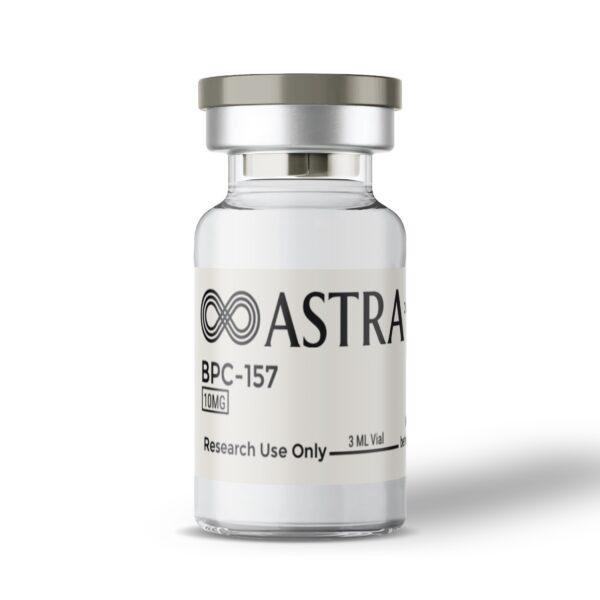
BPC-157 10 mg refers to a laboratory-formulated amount of BPC-157 (Body Protection Compound-157), a synthetic peptide that has been studied in preclinical research settings.
BPC-157 is a peptide derived from a protective protein fragment originally associated with gastric tissues. Researchers have investigated its possible effects on biological processes involved in:
- Tissue repair.
- Cellular protection.
- Inflammation pathways.
- Blood vessel formation.
- Gastrointestinal function.
- Musculoskeletal recovery.
Unlike approved prescription medicines, BPC-157 remains an experimental compound in many countries, and research is still ongoing to better understand its effects, safety profile, and potential applications.
How BPC-157 Works
Research suggests that BPC-157 may influence several biological pathways involved in cellular communication and repair mechanisms.
Scientists have studied possible interactions with:
- Growth factor pathways — involved in tissue development and repair.
- Blood vessel formation pathways — related to circulation and nutrient delivery.
- Inflammatory pathways — involved in the body’s response to injury.
- Cellular protection mechanisms — related to maintaining normal cell function.
Laboratory studies have explored how BPC-157 may affect:
- Tissue regeneration processes.
- Connective tissue response.
- Wound healing models.
- Gastrointestinal protection.
- Nervous system research models.
However, many findings come from animal studies and laboratory experiments, and more human research is needed.
BPC-157 10 mg Research Uses
Tissue Repair Research
BPC-157 has been investigated in experimental models involving:
- Muscle tissue.
- Tendons.
- Ligaments.
- Skin tissue.
- Other connective tissues.
Researchers have examined whether the peptide may influence natural repair processes after physical injury.
Gastrointestinal Research
BPC-157 was originally studied because of its relationship with protective compounds found in the stomach.
Research areas include:
- Stomach lining protection.
- Digestive system responses.
- Intestinal barrier studies.
- Gastrointestinal healing models.
Inflammation Research
Scientists have studied BPC-157 for its possible role in regulating biological responses associated with inflammation.
Research has examined:
- Inflammatory signaling.
- Cellular stress responses.
- Tissue recovery processes.
Nervous System Research
Experimental studies have explored possible effects involving:
- Nerve recovery models.
- Brain protection pathways.
- Nervous system signaling.
These findings are preliminary and do not establish approved medical uses.
Potential Benefits of BPC-157
Research studies have suggested possible areas of interest, including:
- Support of tissue repair mechanisms.
- Investigation of wound healing pathways.
- Study of blood vessel development.
- Exploration of gastrointestinal protection.
- Research into cellular recovery processes.
- Investigation of inflammatory responses.
These potential benefits are based mainly on laboratory and animal research. The effectiveness and safety of BPC-157 for specific human conditions have not been fully established.
BPC-157 10 mg Dosage Information
Because BPC-157 is not an approved medication for routine medical treatment, there is no universally accepted human dosage guideline.
Research studies may use different amounts depending on:
- The type of study.
- The animal model.
- The research objective.
- The method of administration.
A product labeled “BPC-157 10 mg” generally describes the amount of peptide contained in a research formulation and does not represent an officially approved therapeutic dose.
How BPC-157 Is Studied
In research environments, scientists may evaluate BPC-157 through:
- Laboratory experiments.
- Animal studies.
- Cellular research models.
- Biological pathway analysis.
- Scientific observation.
Researchers examine factors such as:
- Biological activity.
- Tissue response.
- Molecular interactions.
- Safety markers.
BPC-157 Safety Information
Because human safety data remains limited, important considerations include:
- Long-term effects are not fully understood.
- Quality and purity may vary between research products.
- The effects in humans require further clinical investigation.
- Use should be discussed with a qualified healthcare professional.
People should be cautious about using experimental compounds outside approved medical guidance.
Be the first to review “BPC-157 10MG”
Related products
Peptides
Peptides
Peptides
Peptides
Peptides
Peptides
Peptides
2 reviews for BPC-157 10MG
There are no reviews yet.