
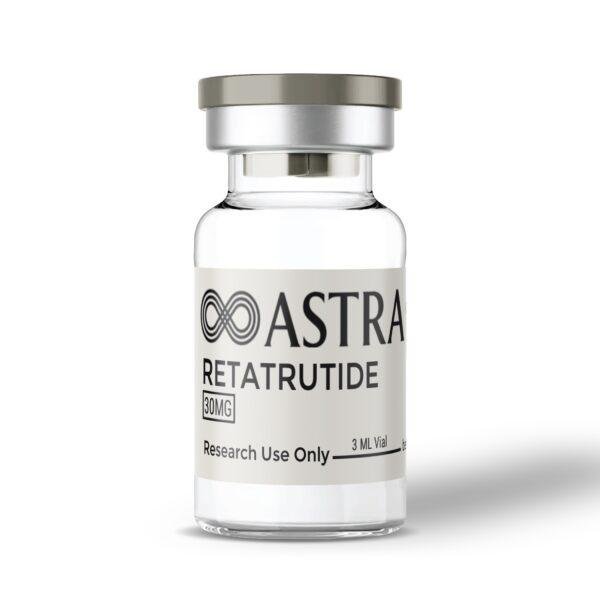

Retatrutide: Uses, Dosage, Side Effects, Safety, and Frequently Asked Questions
What Is Retatrutide?
Retatrutide is an investigational medication being studied for the treatment of obesity, overweight with weight-related medical conditions, and other metabolic disorders. It belongs to a new class of medicines known as triple hormone receptor agonists, designed to activate three important hormone receptors involved in appetite regulation, blood sugar control, and energy balance.
Unlike currently approved medications that target one or two hormone receptors, retatrutide activates:
- GLP-1 (Glucagon-Like Peptide-1) receptors
- GIP (Glucose-Dependent Insulinotropic Polypeptide) receptors
- Glucagon receptors
This unique mechanism is being investigated for its potential to support significant weight loss and improve metabolic health.
Important: Retatrutide is investigational and is not approved for routine clinical use. Its safety and effectiveness continue to be evaluated in clinical trials.
How Retatrutide Works
Retatrutide works by activating three naturally occurring hormone pathways involved in metabolism.
GLP-1 Receptor Activation
GLP-1 receptor stimulation may help:
- Reduce appetite.
- Slow stomach emptying.
- Improve blood sugar control.
- Increase feelings of fullness after meals.
GIP Receptor Activation
GIP receptor activation may:
- Support insulin release after meals.
- Improve glucose metabolism.
- Enhance the effects of GLP-1 receptor activation.
Glucagon Receptor Activation
Glucagon receptor stimulation may:
- Increase energy expenditure.
- Support fat metabolism.
- Contribute to overall weight reduction when combined with appetite suppression.
Together, these actions are intended to help reduce calorie intake while increasing energy use.
Potential Uses of Retatrutide
Because retatrutide remains under investigation, these are potential uses being studied in clinical trials.
Obesity
Researchers are studying retatrutide as a potential treatment for adults with obesity alongside healthy eating and regular physical activity.
Overweight with Weight-Related Conditions
Clinical trials are evaluating retatrutide in adults who are overweight and have conditions such as:
- High blood pressure.
- Type 2 diabetes.
- Dyslipidemia (abnormal cholesterol levels).
- Obstructive sleep apnea.
Type 2 Diabetes
Retatrutide is also being studied for its effects on blood glucose control and metabolic health in people with type 2 diabetes.
Metabolic Health
Researchers continue to investigate whether retatrutide may improve:
- Body weight.
- Waist circumference.
- Blood sugar levels.
- Cholesterol levels.
- Cardiometabolic risk factors.
Potential Benefits of Retatrutide
Clinical studies have reported promising results, including:
- Significant body weight reduction in many participants.
- Reduced appetite.
- Increased feelings of fullness.
- Improvements in blood glucose control.
- Better metabolic health markers.
- Potential improvements in cardiovascular risk factors.
Because research is ongoing, these findings continue to be evaluated for long-term safety and effectiveness.
Retatrutide Dosage
Retatrutide remains investigational, so there is no FDA-approved dosing schedule.
In clinical trials:
- Participants received once-weekly subcutaneous injections.
- Doses were increased gradually over time according to study protocols.
- Healthcare professionals closely monitored participants throughout treatment.
People should not attempt to self-determine dosing outside of approved clinical research or medical supervision.
How Retatrutide Is Administered
In clinical research, retatrutide is administered as a subcutaneous injection.
Injection sites may include:
- Abdomen.
- Thigh.
- Upper arm.
Administration schedules and dose adjustments are determined by study investigators or qualified healthcare professionals.
Missed Dose
Because retatrutide is still under investigation, recommendations for missed doses depend on the clinical trial protocol or future approved prescribing information.
Participants should follow instructions provided by their healthcare team or study investigators.
Common Side Effects
Clinical studies have reported side effects similar to those seen with other incretin-based medications.
Common side effects may include:
- Nausea.
- Vomiting.
- Diarrhea.
- Constipation.
- Stomach discomfort.
- Reduced appetite.
- Indigestion.
- Injection site reactions.
Many gastrointestinal side effects may lessen as treatment continues.
Serious Side Effects
Seek immediate medical attention if serious symptoms occur.
Potential serious side effects under investigation include:
- Severe allergic reactions.
- Severe abdominal pain.
- Persistent vomiting.
- Dehydration.
- Gallbladder problems.
- Pancreatitis.
- Significant changes in blood sugar.
- Severe gastrointestinal symptoms.
The long-term safety profile continues to be evaluated in ongoing clinical trials.
Safety Information
Before participating in treatment involving retatrutide, discuss your medical history with your healthcare provider.
Tell your healthcare provider if you have:
- Type 1 diabetes.
- Pancreatitis.
- Gallbladder disease.
- Kidney disease.
- Liver disease.
- Thyroid disorders.
- Pregnancy or plans to become pregnant.
- Breastfeeding.
Because retatrutide remains investigational, careful medical supervision is essential.
Drug Interactions
Potential drug interactions are still being studied.
Tell your healthcare provider about:
- Prescription medications.
- Over-the-counter medicines.
- Vitamins.
- Herbal supplements.
- Diabetes medications.
- Weight management medicines.
This information helps reduce the risk of unwanted interactions.
Pregnancy and Breastfeeding
There is limited information regarding the use of retatrutide during pregnancy and breastfeeding.
Individuals who are pregnant, planning pregnancy, or breastfeeding should discuss potential risks and benefits with their healthcare provider before participating in clinical research or receiving investigational treatment.
Storage
Storage recommendations depend on the specific investigational product supplied during clinical trials.
In general:
- Store according to the manufacturer’s or study instructions.
- Protect from excessive heat and direct light.
- Keep out of reach of children.
- Do not use expired medication.
Frequently Asked Questions (FAQs)
What is retatrutide?
Retatrutide is an investigational triple hormone receptor agonist being studied for obesity, overweight with weight-related conditions, and metabolic disorders.
Is retatrutide FDA approved?
No. Retatrutide is currently an investigational medication and has not received FDA approval for routine clinical use.
How does retatrutide work?
It activates GLP-1, GIP, and glucagon receptors to help regulate appetite, energy expenditure, and blood sugar metabolism.
How is retatrutide administered?
In clinical studies, retatrutide is administered as a once-weekly subcutaneous injection.
What are the most common side effects?
Common side effects include nausea, vomiting, diarrhea, constipation, stomach discomfort, and reduced appetite.
Can retatrutide help with weight loss?
Clinical trials have reported substantial weight loss in many participants, but the medication remains investigational and further research is ongoing.
Can people with diabetes use retatrutide?
Researchers are studying retatrutide in adults with type 2 diabetes, but it has not yet been approved for this indication.
Is retatrutide the same as semaglutide?
No. While both medications affect GLP-1 pathways, retatrutide also activates GIP and glucagon receptors, making it a triple receptor agonist.
Can retatrutide be used during pregnancy?
There is insufficient information regarding its safety during pregnancy, so its use should only occur within appropriate medical guidance or clinical research.
When might retatrutide become available?
Availability depends on the results of ongoing clinical trials and regulatory review. There is currently no confirmed approval date for general clinical use.
Final Thoughts
Retatrutide is an investigational medication that represents a promising area of research in obesity and metabolic disease. By targeting GLP-1, GIP, and glucagon receptors simultaneously, it may offer a new approach to weight management and metabolic health if future studies continue to demonstrate safety and effectiveness.
Until regulatory authorities approve retatrutide, it should be considered an investigational treatment and used only within clinical trials or other legally authorized settings under appropriate medical supervision.
Medical Disclaimer: This article is for educational and informational purposes only and should not replace professional medical advice, diagnosis, or treatment. Retatrutide is an investigational medication and has not been approved for routine clinical use. Always consult a qualified healthcare professional for advice about medical conditions or treatment options.
Be the first to review “RETATRUTIDE”
Related products
Peptides

Peptides
Peptides

Peptides

Peptides
Peptides
Peptides

Peptides
2 reviews for RETATRUTIDE
There are no reviews yet.