
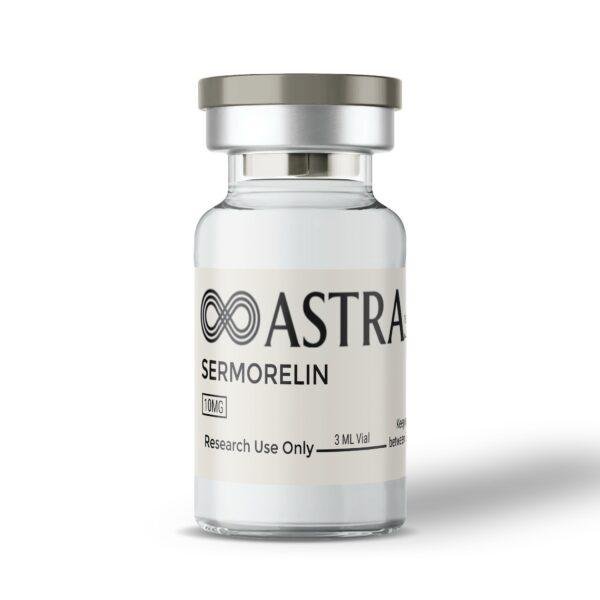
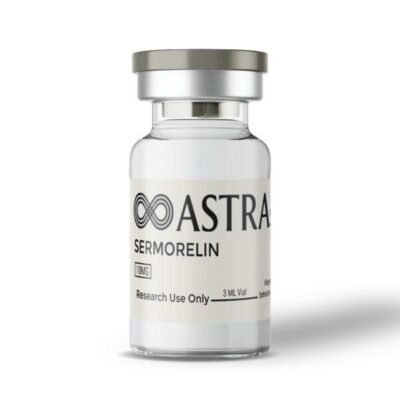
Sermorelin: Uses, Dosage, Side Effects, Safety, and Frequently Asked Questions
What Is Sermorelin?
Sermorelin is a synthetic peptide that acts as a growth hormone-releasing hormone (GHRH) analog. It works by stimulating the pituitary gland to release the body’s natural growth hormone (GH) rather than supplying growth hormone directly.
Healthcare providers have used sermorelin in certain situations to evaluate or manage growth hormone deficiency under medical supervision. Because sermorelin stimulates the body’s own production of growth hormone, it differs from recombinant human growth hormone (somatropin), which replaces the hormone directly.
The availability and approved uses of sermorelin vary by country, and treatment should only occur under the supervision of a qualified healthcare professional.
How Sermorelin Works
Sermorelin mimics the action of naturally occurring growth hormone-releasing hormone (GHRH).
After administration, it binds to receptors in the pituitary gland, stimulating the release of endogenous growth hormone.
Growth hormone then promotes the production of insulin-like growth factor-1 (IGF-1), which supports normal growth, tissue repair, metabolism, and body composition.
Unlike direct growth hormone therapy, sermorelin relies on a functioning pituitary gland to produce growth hormone naturally.
Sermorelin Uses
Growth Hormone Deficiency Evaluation
Sermorelin has been used as part of diagnostic testing to evaluate pituitary growth hormone reserve in selected patients.
Growth Hormone Deficiency Treatment
In some clinical settings, sermorelin has been prescribed for individuals with certain forms of growth hormone deficiency where appropriate and legally available.
Treatment decisions depend on a complete medical evaluation by a qualified healthcare provider.
Clinical Research
Researchers continue to study sermorelin for its effects on:
- Growth hormone secretion.
- IGF-1 production.
- Body composition.
- Metabolic health.
- Healthy aging.
Many of these potential applications remain investigational or are considered off-label.
Potential Benefits of Sermorelin
When prescribed appropriately, sermorelin may help:
- Stimulate natural growth hormone release.
- Increase IGF-1 production.
- Support normal growth hormone physiology.
- Improve body composition in selected patients with growth hormone deficiency.
- Support metabolic function related to growth hormone activity.
Benefits vary depending on the individual’s underlying medical condition and response to treatment.
Sermorelin Dosage
The appropriate dosage depends on:
- Age.
- Medical condition.
- Growth hormone status.
- Body weight.
- Individual treatment goals.
- Healthcare provider recommendations.
There is no single standard dosage appropriate for every patient.
Sermorelin should only be used exactly as prescribed by a qualified healthcare professional.
Do not adjust the dose without medical advice.
How Sermorelin Is Administered
Sermorelin is typically administered as a subcutaneous injection.
Common injection sites include:
- Abdomen.
- Thigh.
- Upper arm.
Patients receiving home injections should be instructed on:
- Proper injection technique.
- Safe handling of needles.
- Rotation of injection sites.
- Correct storage procedures.
Missed Dose
If you miss a scheduled dose:
- Take it as soon as you remember unless it is almost time for your next dose.
- Skip the missed dose if your next scheduled dose is near.
- Do not administer two doses at the same time unless instructed by your healthcare provider.
If you are unsure what to do, contact your healthcare provider for guidance.
Common Side Effects
Like all medications, sermorelin may cause side effects.
Common side effects may include:
- Injection site redness.
- Mild swelling.
- Pain at the injection site.
- Headache.
- Flushing.
- Dizziness.
- Nausea.
Many side effects are mild and temporary.
Serious Side Effects
Seek immediate medical attention if you experience:
- Severe allergic reactions.
- Difficulty breathing.
- Swelling of the face, lips, tongue, or throat.
- Severe rash.
- Persistent severe headache.
- Chest pain.
- Significant swelling or severe injection site reactions.
Although serious reactions are uncommon, prompt medical evaluation is important if they occur.
Safety Information
Before using sermorelin, tell your healthcare provider if you have:
- Pituitary disorders.
- Previous brain surgery.
- Diabetes.
- Thyroid disease.
- Kidney disease.
- Liver disease.
- Active cancer.
- Pregnancy or plans to become pregnant.
- Breastfeeding.
Regular follow-up appointments may include:
- Physical examinations.
- IGF-1 measurements.
- Growth hormone assessments when appropriate.
- Evaluation of treatment response.
Drug Interactions
Sermorelin may interact with certain medications.
Tell your healthcare provider if you use:
- Corticosteroids.
- Hormonal medications.
- Diabetes medicines.
- Prescription medications.
- Over-the-counter medicines.
- Vitamins.
- Herbal supplements.
Providing a complete medication list helps reduce the risk of interactions.
Pregnancy and Breastfeeding
There is limited information regarding the safety of sermorelin during pregnancy or breastfeeding.
Individuals who are pregnant, planning pregnancy, or breastfeeding should discuss the potential risks and benefits with their healthcare provider before beginning treatment.
Storage
Store sermorelin according to the manufacturer’s or compounding pharmacy’s instructions.
General recommendations may include:
- Refrigerate if directed.
- Protect from light.
- Keep in the original container.
- Do not freeze unless specified.
- Keep out of reach of children.
Always follow the storage instructions provided with your specific product.
Frequently Asked Questions (FAQs)
What is sermorelin used for?
Sermorelin is used to stimulate the body’s natural release of growth hormone. It has been used in the evaluation and management of certain growth hormone deficiencies under medical supervision.
Is sermorelin the same as growth hormone?
No. Sermorelin stimulates the pituitary gland to release natural growth hormone, whereas growth hormone therapy provides the hormone directly.
How is sermorelin administered?
Sermorelin is usually administered as a subcutaneous injection under the skin.
How long does sermorelin take to work?
The response varies depending on the individual and the reason for treatment. Your healthcare provider will monitor progress with regular follow-up evaluations.
What are the most common side effects?
Common side effects include injection site reactions, headache, flushing, dizziness, and nausea.
Can sermorelin be used for anti-aging?
Although sermorelin has been studied in relation to aging and body composition, these uses are generally considered investigational or off-label and are not established indications.
Can sermorelin increase IGF-1 levels?
Yes. By stimulating the release of growth hormone, sermorelin may increase IGF-1 production as part of its physiological effects.
Who should not use sermorelin?
Individuals with certain medical conditions, including active malignancy or specific pituitary disorders, may not be suitable candidates. A healthcare provider should determine whether treatment is appropriate.
Can sermorelin be used during pregnancy?
There is insufficient safety information regarding use during pregnancy. Treatment should only be considered if recommended by a qualified healthcare provider.
Is sermorelin available everywhere?
Availability varies by country and region. Regulatory status differs, and some formulations may only be available through authorized compounding pharmacies where permitted by law.
Final Thoughts
Sermorelin is a synthetic growth hormone-releasing hormone (GHRH) analog that stimulates the body’s natural production of growth hormone. It has been used in the evaluation and management of selected cases of growth hormone deficiency and continues to be studied for its effects on growth hormone physiology and metabolism.
Because availability and approved uses vary by country, sermorelin should only be used under the supervision of a qualified healthcare professional. Patients should follow prescribed treatment plans, attend regular follow-up appointments, and discuss any questions or side effects with their healthcare provider.
Medical Disclaimer: This article is for educational and informational purposes only and should not replace professional medical advice, diagnosis, or treatment. Always consult a qualified healthcare professional before starting, stopping, or changing any medication or peptide therapy.
Be the first to review “SERMORELIN”
Related products
Peptides
Peptides
Peptides
Peptides
Peptides
Peptides
Peptides
Reviews
There are no reviews yet.