
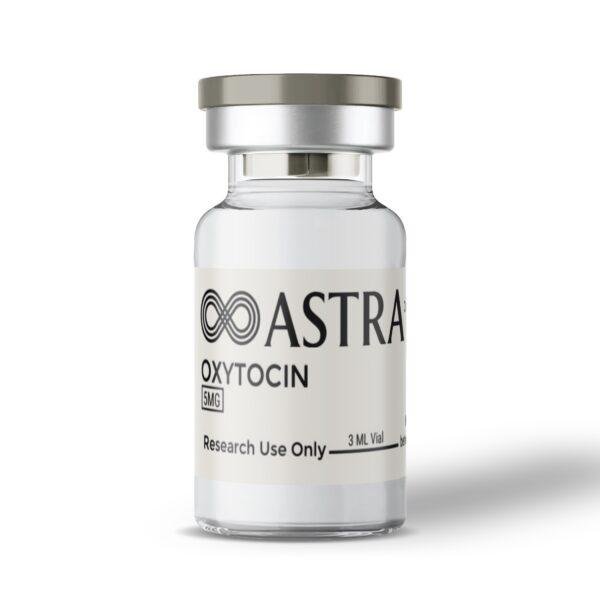
Oxytocin Injection 5 IU: Uses, Dosage, Side Effects, Safety, and Frequently Asked Questions
What Is Oxytocin Injection 5 IU?
Oxytocin Injection 5 IU is a prescription medication used to stimulate contractions of the uterus during childbirth and to help control bleeding after delivery. Oxytocin is a synthetic form of the naturally occurring hormone produced by the pituitary gland. It plays an essential role in labor, childbirth, and breastfeeding.
Healthcare professionals administer oxytocin in hospitals and other medical settings where the mother and baby can be closely monitored. The medication is commonly used to induce labor, strengthen contractions during labor, and reduce the risk of excessive bleeding after childbirth.
Because oxytocin affects uterine contractions, it should only be used under the supervision of qualified healthcare providers.
How Oxytocin Works
Oxytocin works by binding to oxytocin receptors in the muscles of the uterus. This stimulates rhythmic uterine contractions that help move the baby through the birth canal during labor.
After delivery, oxytocin helps the uterus contract, reducing blood loss by compressing blood vessels at the site where the placenta was attached.
Oxytocin also stimulates the muscles around the milk-producing glands in the breasts, helping release breast milk during breastfeeding. However, injectable oxytocin is primarily used for obstetric purposes.
Oxytocin Injection 5 IU Uses
Labor Induction
Oxytocin may be used to induce labor when continuing the pregnancy may pose greater risks than delivery. Common reasons include:
- Pregnancy beyond the expected due date.
- Premature rupture of membranes.
- Certain maternal medical conditions.
- Specific fetal indications determined by a healthcare provider.
Labor Augmentation
If labor has started but contractions are too weak or infrequent, oxytocin may be administered to strengthen contractions and support labor progression.
Prevention of Postpartum Hemorrhage
Oxytocin is widely used after childbirth to reduce the risk of postpartum hemorrhage, a condition involving excessive bleeding after delivery. Prompt uterine contraction helps minimize blood loss.
Management of Postpartum Hemorrhage
When excessive bleeding occurs after childbirth, oxytocin is often one of the first medications used to help the uterus contract and control bleeding.
Management Following Delivery of the Placenta
Healthcare providers may administer oxytocin after the placenta is delivered to promote uterine contraction and reduce complications associated with postpartum bleeding.
Benefits of Oxytocin Injection 5 IU
When administered appropriately by trained healthcare professionals, oxytocin may help:
- Induce labor when medically indicated.
- Strengthen weak uterine contractions.
- Promote effective labor progression.
- Reduce the risk of postpartum hemorrhage.
- Help control excessive bleeding after childbirth.
- Encourage uterine contraction following delivery.
- Improve maternal outcomes in appropriate clinical situations.
Oxytocin Injection 5 IU Dosage
The appropriate dose depends on:
- The reason for treatment.
- Maternal health.
- Fetal condition.
- Response to therapy.
- Clinical guidelines.
Oxytocin is administered only by qualified healthcare professionals.
General guidance includes:
- The dose is individualized for each patient.
- It may be given by slow intravenous infusion or intramuscular injection depending on the indication.
- During labor induction or augmentation, the infusion rate is adjusted carefully based on the frequency and strength of uterine contractions and the baby’s heart rate.
- Continuous monitoring of both mother and baby is essential throughout treatment.
Never attempt to self-administer oxytocin.
How Oxytocin Is Administered
Oxytocin injection is given in a healthcare facility by trained professionals.
Depending on the medical indication, it may be administered:
- By intravenous (IV) infusion.
- By intramuscular (IM) injection.
During labor, healthcare providers monitor:
- Uterine contractions.
- Fetal heart rate.
- Maternal blood pressure.
- Maternal pulse.
- Overall labor progress.
Treatment may be adjusted or stopped if contractions become excessively strong or if there are concerns about the baby’s well-being.
Missed Dose
Oxytocin is administered by healthcare professionals in a controlled clinical setting. Because it is not intended for self-use, missed doses are uncommon.
If treatment needs to be delayed or adjusted, the healthcare team will determine the appropriate course of action based on the patient’s condition.
Common Side Effects
Like all medicines, oxytocin may cause side effects, although not everyone experiences them.
Common side effects may include:
- Nausea.
- Vomiting.
- Headache.
- Temporary flushing.
- Uterine cramping.
- Increased intensity of contractions.
- Mild changes in blood pressure.
- Fast heartbeat.
Most side effects are monitored and managed by healthcare professionals during treatment.
Serious Side Effects
Seek immediate medical attention if any serious reactions occur.
Serious side effects may include:
- Severe allergic reactions.
- Excessively frequent or prolonged uterine contractions.
- Uterine rupture (rare, but serious).
- Fetal distress.
- Abnormal heart rhythms.
- Significant changes in blood pressure.
- Water intoxication due to prolonged high-dose infusion.
- Seizures related to severe water intoxication (rare).
Healthcare providers carefully monitor patients to reduce these risks.
Safety Information
Before receiving oxytocin, inform your healthcare provider if you have:
- Previous uterine surgery or cesarean delivery.
- Placenta previa.
- Placental abruption.
- Multiple pregnancy.
- High blood pressure.
- Heart disease.
- Kidney disease.
- Any allergies to medications.
- Pregnancy complications requiring specialized care.
Oxytocin may not be appropriate in situations where vaginal delivery is not recommended.
Drug Interactions
Oxytocin may interact with certain medications, including:
- Medicines used during anesthesia.
- Other drugs that stimulate uterine contractions.
- Blood pressure medications.
- Certain prostaglandins.
- Vasoconstrictor medicines.
Always inform your healthcare provider about all prescription medicines, over-the-counter medications, vitamins, supplements, and herbal products you are taking.
Pregnancy and Breastfeeding
Oxytocin is used during pregnancy only under medical supervision when there is a clear clinical indication, such as labor induction or prevention of postpartum hemorrhage.
After childbirth, oxytocin supports normal milk let-down. Because its clinical use is closely supervised, healthcare providers will determine the safest approach for both mother and baby.
Storage
Oxytocin injection should be:
- Stored according to the manufacturer’s recommendations.
- Protected from excessive heat and light.
- Kept in its original packaging until use.
- Stored out of the reach of children.
- Handled by healthcare professionals or pharmacy staff.
Always follow local storage requirements and product labeling.
Frequently Asked Questions (FAQs)
What is Oxytocin Injection 5 IU used for?
Oxytocin Injection 5 IU is used to induce or strengthen labor contractions and to prevent or treat excessive bleeding after childbirth.
How does oxytocin work?
Oxytocin stimulates the muscles of the uterus, causing contractions that assist labor and help reduce bleeding after delivery.
Is oxytocin used only during childbirth?
Most commonly, yes. Injectable oxytocin is primarily used during labor and immediately after childbirth under medical supervision.
Can oxytocin be self-administered?
No. Oxytocin injection should only be administered by qualified healthcare professionals in an appropriate medical setting.
Does oxytocin have side effects?
Yes. Possible side effects include nausea, vomiting, headache, uterine cramping, and changes in blood pressure. Serious reactions are uncommon but require immediate medical attention.
Can oxytocin cause excessively strong contractions?
Yes. Oxytocin may sometimes cause contractions that are too frequent or too intense. This is why continuous monitoring of both mother and baby is essential.
Is oxytocin safe during pregnancy?
Oxytocin is considered appropriate only when prescribed for specific medical reasons during labor or after delivery. It should not be used without medical supervision.
What happens if too much oxytocin is given?
Excessive doses may lead to overly strong uterine contractions, fetal distress, or rare complications such as uterine rupture or water intoxication. Healthcare providers carefully adjust dosing to reduce these risks.
Can oxytocin affect the baby?
When used appropriately, oxytocin can support labor safely. However, excessive uterine contractions may reduce oxygen delivery to the baby, which is why fetal heart rate monitoring is performed throughout treatment.
How is oxytocin monitored during labor?
Healthcare providers monitor uterine contractions, fetal heart rate, maternal vital signs, and labor progress to ensure safe and effective treatment.
Final Thoughts
Oxytocin Injection 5 IU is an essential medication in modern obstetric care. It is widely used to induce or strengthen labor, prevent postpartum hemorrhage, and manage excessive bleeding after childbirth. When administered by trained healthcare professionals, oxytocin can improve maternal outcomes while supporting safe labor and delivery.
Because oxytocin has powerful effects on the uterus, it should only be used under close medical supervision in an appropriate healthcare setting. Patients should discuss any questions or concerns with their healthcare provider to understand the benefits and potential risks of treatment.
Medical Disclaimer: This article is intended for educational and informational purposes only. It is not a substitute for professional medical advice, diagnosis, or treatment. Always consult a qualified healthcare professional regarding any medical condition or before starting, stopping, or changing any medication. Never use prescription medications without appropriate medical supervision.
Be the first to review “OXYTOCIN 5MG”
Related products
Peptides
Peptides
Peptides

Peptides
Peptides

Peptides
Peptides
Peptides
2 reviews for OXYTOCIN 5MG
There are no reviews yet.