
Style
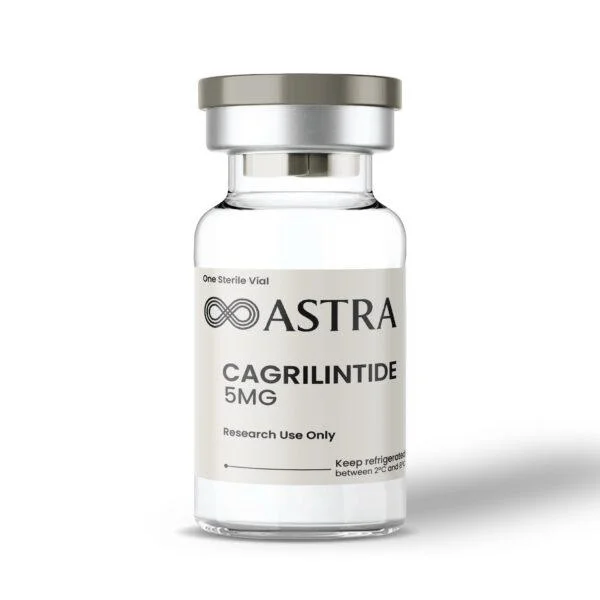
Cagrilintide: Uses, Benefits, Dosage, Side Effects, and Safety Guide
Dec
Meta Title
Cagrilintide: Uses, Benefits, Dosage, Side Effects & Weight Management Guide
Meta Description
Learn about cagrilintide, including how it works, its potential benefits for weight management, dosage, side effects, safety precautions, and frequently asked questions.
Cagrilintide: A Complete Guide
Introduction
Cagrilintide is an investigational medication being studied for chronic weight management in adults with overweight or obesity. It is a long-acting analog of amylin, a naturally occurring hormone that helps regulate appetite, food intake, and blood sugar after meals.
Researchers are evaluating cagrilintide both as a standalone treatment and in combination with other medications, such as semaglutide, to determine its effectiveness in supporting long-term weight management. Clinical trials have shown promising results, but cagrilintide is not yet widely approved for routine clinical use in many countries.
This guide explains how cagrilintide works, its potential benefits, possible side effects, and important safety considerations.
What Is Cagrilintide?
Cagrilintide is a synthetic, long-acting amylin receptor agonist. Amylin is a hormone released by the pancreas along with insulin after eating. It helps regulate appetite by slowing stomach emptying, increasing feelings of fullness, and reducing food intake.
By mimicking the effects of natural amylin, cagrilintide may help people consume fewer calories and achieve meaningful weight loss when combined with healthy lifestyle changes.
What Is Cagrilintide Used For?
Cagrilintide is currently being investigated for:
- Chronic weight management in adults with overweight or obesity
- Weight reduction when combined with a reduced-calorie diet and increased physical activity
- Combination therapy with other weight-management medications, including semaglutide, in clinical studies
Because cagrilintide remains under clinical investigation in many regions, approved indications may vary depending on local regulatory authorities.
How Does Cagrilintide Work?
Cagrilintide mimics the activity of amylin, helping regulate appetite through several mechanisms:
- Increases feelings of fullness after meals
- Slows gastric emptying
- Reduces hunger and food cravings
- Decreases overall calorie intake
- Supports long-term weight management when combined with healthy lifestyle habits
Its long duration of action allows for convenient dosing schedules currently being evaluated in clinical studies.
Potential Benefits of Cagrilintide
Supports Weight Loss
Clinical studies have demonstrated significant weight reduction in many participants receiving cagrilintide alongside lifestyle modifications.
Helps Control Appetite
Many participants report reduced hunger and improved control over food intake during treatment.
Promotes Satiety
By increasing the feeling of fullness after eating, cagrilintide may help reduce portion sizes and snacking between meals.
May Improve Metabolic Health
Weight loss associated with cagrilintide may contribute to improvements in certain metabolic health markers, although individual results vary.
Investigational Combination Therapy
Studies evaluating cagrilintide combined with semaglutide suggest greater weight loss than either lifestyle changes alone, though ongoing research continues to evaluate long-term safety and effectiveness.
Dosage
The appropriate dosage depends on the treatment protocol being studied or, where approved, local prescribing recommendations.
Healthcare providers may gradually increase the dose over time to improve tolerability and reduce gastrointestinal side effects.
Always follow the instructions provided by your healthcare provider or those outlined in approved prescribing information where available.
How Is Cagrilintide Administered?
Cagrilintide is being developed as a subcutaneous (under-the-skin) injection.
Patients are typically instructed on proper injection techniques, including:
- Rotating injection sites
- Using the medication on the recommended schedule
- Storing the medication according to the manufacturer’s instructions
Never change your dose without consulting your healthcare provider.
Common Side Effects
As with many medications that affect appetite and digestion, gastrointestinal side effects are among the most commonly reported.
These may include:
- Nausea
- Vomiting
- Diarrhea
- Constipation
- Abdominal discomfort
- Reduced appetite
- Injection-site reactions
Many of these effects are mild to moderate and improve as the body adjusts to treatment.
Serious Side Effects
Although less common, serious adverse events may occur.
Seek immediate medical attention if you experience:
- Severe allergic reactions
- Difficulty breathing
- Persistent severe abdominal pain
- Signs of dehydration due to prolonged vomiting or diarrhea
- Severe dizziness or fainting
Any unusual or severe symptoms should be reported promptly to your healthcare provider.
Precautions Before Using Cagrilintide
Before starting treatment, inform your healthcare provider if you:
- Have diabetes
- Have a history of pancreatitis
- Have severe gastrointestinal disease
- Have kidney or liver disease
- Are pregnant, planning to become pregnant, or breastfeeding
- Take prescription medications or dietary supplements
Your healthcare provider will determine whether cagrilintide is appropriate based on your medical history.
Drug Interactions
Because cagrilintide slows stomach emptying, it may affect how some oral medications are absorbed.
Tell your healthcare provider about all:
- Prescription medications
- Over-the-counter medicines
- Vitamins
- Herbal supplements
Medication adjustments may be necessary in some cases.
Lifestyle Tips During Treatment
For the best results:
- Follow a balanced, reduced-calorie eating plan.
- Stay physically active.
- Drink adequate water throughout the day.
- Get sufficient sleep.
- Attend regular follow-up appointments.
- Monitor your progress with your healthcare provider.
Medication works best when combined with long-term healthy lifestyle habits.
Frequently Asked Questions
Is cagrilintide approved for weight loss?
Approval status varies by country. In many regions, cagrilintide is still under clinical investigation and may not yet be approved for routine clinical use.
How does cagrilintide differ from GLP-1 medications?
Cagrilintide mimics the hormone amylin, while GLP-1 receptor agonists mimic glucagon-like peptide-1. These hormones regulate appetite through different mechanisms, which is why researchers are studying them together.
Can cagrilintide be used alone?
Clinical trials have evaluated both cagrilintide alone and in combination with other weight-management therapies.
How long does treatment last?
The duration of therapy depends on clinical recommendations, treatment response, and regulatory approval in your region.
Does cagrilintide cure obesity?
No. Obesity is a chronic medical condition. Cagrilintide is being studied as one component of long-term weight management alongside healthy eating, regular physical activity, and ongoing medical care.
Conclusion
Cagrilintide is an investigational amylin receptor agonist that has shown promising results in clinical trials for chronic weight management. By helping reduce appetite, increase feelings of fullness, and decrease calorie intake, it may support significant weight loss when combined with lifestyle modifications. Although research continues and approval status varies by country, cagrilintide represents an important area of innovation in obesity treatment. Individuals interested in this therapy should consult a qualified healthcare provider to discuss the latest evidence, availability, and whether it may be appropriate for their health needs.
