
Style
Blog Title: Understanding Compounded GLP-1: Benefits, Risks, Effectiveness, and What Patients Need to Know
Dec
Introduction
Compounded GLP-1 medications have become one of the most discussed topics in modern weight management and diabetes care. As demand for GLP-1 receptor agonists continues to rise, many patients have turned to compounded versions when branded medications are difficult to obtain or cost-prohibitive. While these medications have helped expand access for some individuals, they also raise important questions about safety, quality, effectiveness, and regulation.
If you’re considering compounded GLP-1 therapy—or simply want to understand how it differs from FDA-approved medications—this guide covers everything you need to know. We’ll explore how compounded GLP-1 medications work, their potential benefits and risks, who may be eligible, and what to ask your healthcare provider before starting treatment.What Does “Compounded GLP-1” Mean?
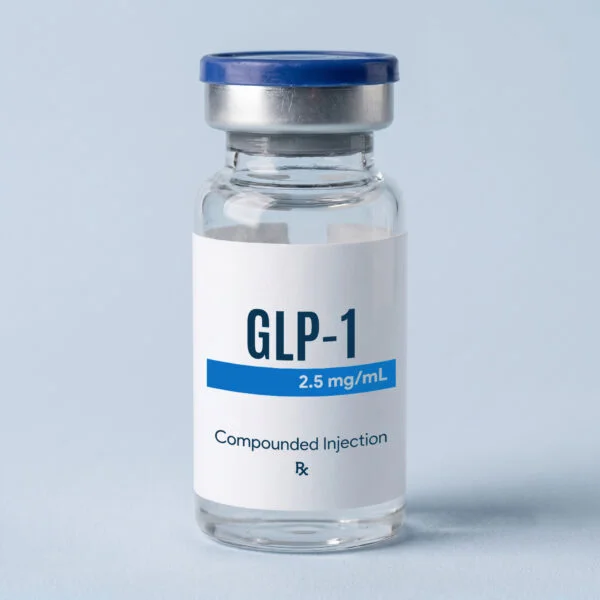
Compounded GLP-1 medications are customized formulations prepared by licensed compounding pharmacies rather than manufactured by pharmaceutical companies as FDA-approved products.
Compounding pharmacies create medications for specific patient needs, such as:
- Alternative dosages
- Customized formulations
- Patients with allergies to inactive ingredients
- Medication shortages
- Individualized treatment plans
Unlike commercially manufactured drugs, compounded medications are not FDA-approved before being dispensed. Instead, they are prepared according to prescriptions written for individual patients under federal and state pharmacy regulations.Why Are Patients Choosing Compounded GLP-1 Medications?
Several factors have contributed to the growing popularity of compounded GLP-1 therapy.
1. Medication Shortages
Demand for GLP-1 medications has increased dramatically over recent years. Temporary shortages of certain branded medications have made access difficult for many patients.
Compounding pharmacies may prepare alternatives when FDA-approved medications are listed as being in shortage, helping eligible patients continue therapy under the guidance of licensed healthcare providers.
2. Lower Cost
Branded GLP-1 medications can cost hundreds or even thousands of dollars each month without insurance coverage.
Compounded options are often less expensive, making treatment more financially accessible for many individuals.3. Personalized Dosing
Healthcare providers may prescribe customized dosing schedules based on a patient’s:
- Weight loss goals
- Side effect tolerance
- Medical history
- Response to treatment
This flexibility can help create individualized treatment plans.
How Do Compounded GLP-1 Medications Work?
Compounded GLP-1 medications work through the same biological pathway as FDA-approved GLP-1 receptor agonists by activating GLP-1 receptors throughout the body.
This leads to several beneficial effects:
Appetite Suppression
