
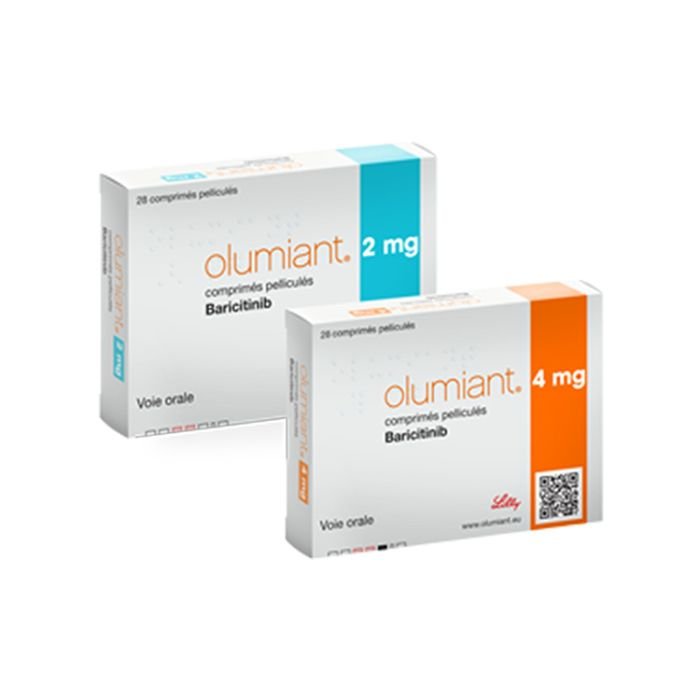

Olumiant (Baricitinib): Uses, Dosage, Side Effects, Safety, and Frequently Asked Questions
What Is Olumiant (Baricitinib)?
Olumiant (baricitinib) is a prescription medicine that belongs to a group of medications called Janus kinase (JAK) inhibitors. It works by helping regulate immune system activity and reducing inflammation caused by overactive immune responses.
Olumiant is used for certain inflammatory and immune-related conditions, including:
- Rheumatoid arthritis.
- Severe alopecia areata (a condition that causes hair loss).
- Atopic dermatitis (eczema) in certain patients.
- COVID-19 in specific hospitalized patients where approved or recommended.
Olumiant is available as an oral tablet and is prescribed based on the medical condition, age, health history, and response to treatment.
How Olumiant Works
Olumiant works by blocking the activity of certain enzymes called Janus kinases (JAKs).
JAK enzymes help transmit signals involved in immune system responses. By reducing JAK activity, Olumiant may help decrease the production of inflammatory signals that contribute to symptoms.
Olumiant may help reduce inflammation related to:
- Joint swelling.
- Joint pain.
- Skin inflammation.
- Immune system overactivity.
- Hair follicle inflammation in alopecia areata.
Olumiant Uses
Rheumatoid Arthritis
Olumiant may be prescribed for adults with moderate to severe rheumatoid arthritis when other treatments have not provided enough improvement or are not suitable.
Rheumatoid arthritis is an autoimmune condition where the immune system mistakenly attacks the joints, causing inflammation.
Olumiant may help improve symptoms such as:
- Joint pain.
- Joint swelling.
- Morning stiffness.
- Reduced physical function.
- Inflammation.
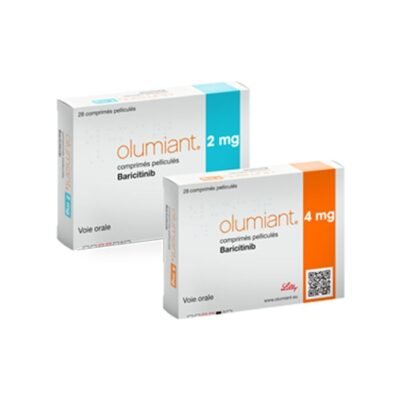
olumiant
Alopecia Areata
Olumiant may be used to treat severe alopecia areata, an autoimmune condition that causes patchy hair loss.
It may help some people by:
- Reducing immune activity affecting hair follicles.
- Supporting hair regrowth.
- Decreasing the progression of hair loss.
Results can vary between individuals, and continued treatment may be needed to maintain improvement.
Atopic Dermatitis (Eczema)
In some patients, Olumiant may help manage moderate to severe atopic dermatitis.
It may reduce symptoms such as:
- Skin inflammation.
- Itching.
- Redness.
- Skin irritation.
Treatment decisions depend on disease severity and previous treatment response.
COVID-19
In certain hospitalized adults and children with COVID-19, Olumiant may be used as part of treatment plans to help reduce inflammation associated with severe illness.
Use depends on medical guidelines, patient condition, and healthcare provider assessment.
Benefits of Olumiant
When used as prescribed, Olumiant may help:
- Reduce inflammation.
- Improve symptoms of rheumatoid arthritis.
- Reduce itching and skin inflammation in certain patients.
- Support hair regrowth in severe alopecia areata.
- Improve daily functioning affected by inflammatory conditions.
Olumiant Dosage
The appropriate Olumiant dose depends on:
- The condition being treated.
- Age.
- Kidney function.
- Overall health.
- Other medications.
- Individual response.
General guidance:
- Take Olumiant exactly as prescribed.
- Do not change the dose without medical advice.
- Your healthcare provider may adjust treatment based on your response and laboratory results.
- Regular monitoring may be needed during treatment.
How to Take Olumiant
For best results:
- Take Olumiant by mouth as directed.
- Swallow the tablet whole unless your healthcare provider gives other instructions.
- Take it at the same time each day.
- It may generally be taken with or without food.
- Follow your healthcare provider’s instructions carefully.
Missed Dose
If you miss a dose:
- Take it when you remember.
- If it is almost time for your next dose, skip the missed dose.
- Do not take two doses at the same time unless instructed by your healthcare provider.
Common Side Effects
Common side effects of Olumiant may include:
- Upper respiratory infections.
- Headache.
- Nausea.
- Cold sores or herpes infections.
- Increased cholesterol levels.
- Acne.
- Changes in blood test results.
Not everyone experiences side effects, and some people may have different reactions.
Serious Side Effects
Seek medical attention if you experience:
- Serious infections.
- Fever or signs of infection.
- Shortness of breath or chest pain.
- Blood clots, including symptoms such as leg swelling, sudden chest pain, or difficulty breathing.
- Severe allergic reactions.
- Changes in blood cell counts.
- Liver problems.
Olumiant may affect the immune system, so monitoring and medical follow-up are important.
Safety Information
Before taking Olumiant, tell your healthcare provider if you have:
- Current or past infections.
- Tuberculosis or exposure to tuberculosis.
- Liver disease.
- Kidney problems.
- Blood disorders.
- Heart disease or risk factors for heart disease.
- A history of blood clots.
- Cancer history.
- Recent vaccinations.
- Pregnancy or plans to become pregnant.
- Breastfeeding.
Your healthcare provider may recommend tests before and during treatment, including:
- Tuberculosis testing.
- Blood cell count testing.
- Liver function tests.
- Cholesterol monitoring.
- Infection screening.
Drug Interactions
Olumiant may interact with certain medicines, including:
- Other medicines that affect the immune system.
- Certain biologic therapies.
- Other JAK inhibitors.
- Some medicines that affect kidney function.
- Medications that increase infection risk.
Always inform your healthcare provider about:
- Prescription medicines.
- Over-the-counter medicines.
- Vitamins.
- Supplements.
- Herbal products.
Alcohol and Olumiant
There is no specific alcohol interaction listed for Olumiant, but alcohol may affect overall health and may worsen certain conditions.
Discuss alcohol use with your healthcare provider, especially if you have:
- Liver problems.
- Increased infection risk.
- Other medical conditions.
Pregnancy and Breastfeeding
If you are pregnant, planning pregnancy, or breastfeeding:
- Tell your healthcare provider before starting Olumiant.
- Discuss possible benefits and risks of treatment.
- Do not stop prescribed treatment without medical guidance.
Your healthcare provider can help determine the most appropriate treatment approach.
Vaccinations and Olumiant
Before and during treatment:
- Tell your healthcare provider about your vaccination history.
- Avoid certain live vaccines unless specifically advised.
- Your healthcare provider may recommend updating vaccines before starting treatment.
Storage
Store Olumiant tablets:
- At room temperature.
- Away from moisture and excessive heat.
- In the original container.
- Out of reach of children.
Frequently Asked Questions (FAQs)
What is Olumiant used for?
Olumiant is used to treat certain immune-related conditions, including rheumatoid arthritis, severe alopecia areata, and atopic dermatitis in appropriate patients. It may also be used in specific cases of hospitalized COVID-19.
Is Olumiant a steroid?
No. Olumiant is not a steroid. It is a JAK inhibitor that works by reducing specific immune system signals involved in inflammation.
How does Olumiant work?
Olumiant blocks Janus kinase enzymes involved in immune signaling, which may help reduce inflammation and symptoms.
How long does Olumiant take to work?
The time needed to see improvement varies depending on the condition being treated. Some people may notice improvement within weeks, while others may require longer treatment.
Can Olumiant cause infections?
Yes. Because Olumiant affects immune system activity, it may increase the risk of infections. Contact a healthcare provider if you develop signs of infection.
Can Olumiant cause hair growth?
Olumiant may help some people with severe alopecia areata experience hair regrowth, but results vary.
Can I stop Olumiant suddenly?
Do not stop Olumiant without discussing it with your healthcare provider, as symptoms may return or worsen.
Does Olumiant affect cholesterol?
Yes. Olumiant may increase cholesterol levels, and your healthcare provider may monitor cholesterol during treatment.
Can older adults take Olumiant?
Older adults may require careful evaluation because they may have a higher risk of certain side effects, including infections.
What happens if I take too much Olumiant?
Taking too much Olumiant may increase the risk of side effects. Contact a healthcare professional or seek medical help if an overdose is suspected.
Final Thoughts
Olumiant (baricitinib) is an oral JAK inhibitor used to manage certain inflammatory and immune-related conditions, including rheumatoid arthritis, severe alopecia areata, and atopic dermatitis in appropriate patients.
Because Olumiant affects immune system activity, safe use requires medical supervision, regular monitoring, and communication with your healthcare provider about side effects or health changes.
Medical Disclaimer: This article is for educational and informational purposes only and should not replace professional medical advice, diagnosis, or treatment. Always consult a qualified healthcare professional before starting, stopping, or changing any medication.
| Tablets, USA | 28 tablets of 2 mg, 98 tablets of 2mg, 28 tablets of 4 mg, 98 tablets of 4 mg |
|---|
Be the first to review “olumiant-Barictinib”
Related products
tablet
tablet

tablet
tablet
tablet
5 reviews for olumiant-Barictinib
There are no reviews yet.