
Style
NAD+ 10 mL: Uses, Benefits, Administration, Side Effects, and Safety Guide
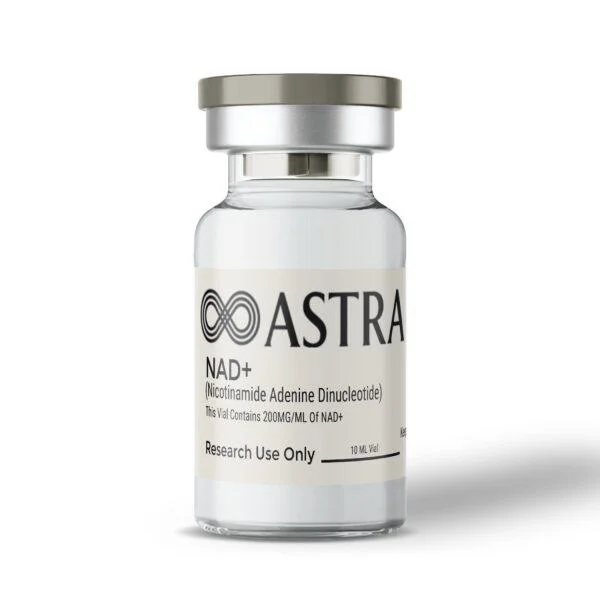
Jan
Meta Title
NAD+ 10 mL: Uses, Benefits, Administration, Side Effects & Safety Guide
Meta Description
Learn about NAD+ 10 mL, including its potential uses, benefits, administration, side effects, safety considerations, and frequently asked questions.
NAD+ 10 mL: A Complete Guide
Introduction
Nicotinamide adenine dinucleotide, commonly known as NAD+, is a naturally occurring coenzyme found in every living cell. It plays an essential role in energy production, cellular metabolism, DNA repair, and many biological processes that help maintain normal cell function.
In recent years, NAD+ therapy has gained attention in wellness and longevity medicine. Some healthcare providers offer NAD+ intravenous (IV) infusions or injections as part of personalized wellness programs. Researchers continue to study its potential role in healthy aging, cellular health, and metabolic function.
This guide explains what NAD+ is, how NAD+ 10 mL products are used, their potential benefits, possible side effects, and important safety considerations.
What Is NAD+?
NAD+ (nicotinamide adenine dinucleotide) is a coenzyme involved in hundreds of metabolic reactions throughout the body. It helps convert nutrients from food into cellular energy and supports enzymes involved in DNA repair, mitochondrial function, and normal cellular communication.
Natural NAD+ levels tend to decline with age, leading researchers to investigate whether increasing NAD+ levels may support healthy aging and overall cellular function.
What Is NAD+ 10 mL Used For?
NAD+ 10 mL formulations are commonly used in wellness clinics and integrative medicine practices. Depending on the formulation and healthcare provider, NAD+ therapy may be offered to support:
- Cellular energy production
- General wellness programs
- Healthy aging initiatives
- Recovery from physical or mental fatigue
- Metabolic health support
- Overall cellular function
Many of these uses are still being studied. The effectiveness of NAD+ therapy for specific medical conditions has not been established by high-quality clinical evidence, and NAD+ products are not approved to treat or cure most diseases.
How Does NAD+ Work?
NAD+ functions as a coenzyme that assists enzymes responsible for energy production inside mitochondria, often called the “powerhouses” of cells.
NAD+ also contributes to:
- Cellular energy metabolism
- DNA repair mechanisms
- Mitochondrial function
- Cellular stress responses
- Normal enzyme activity
- Healthy cellular communication
Researchers continue to investigate how maintaining healthy NAD+ levels may influence aging and metabolic health.
Potential Benefits of NAD+ Therapy
Supports Cellular Energy Production
NAD+ is essential for converting carbohydrates, fats, and proteins into usable cellular energy.
Supports Normal Cellular Function
Healthy NAD+ levels contribute to numerous biological processes that keep cells functioning properly.
Supports DNA Repair
NAD+ is required for enzymes involved in repairing damaged DNA and maintaining genomic stability.
Supports Mitochondrial Health
Mitochondria rely on NAD+ for efficient energy production and normal cellular metabolism.
Ongoing Research
Scientists continue to study whether increasing NAD+ levels may have additional benefits for healthy aging and metabolic function. More research is needed before firm conclusions can be made.
How Is NAD+ 10 mL Administered?
Depending on the product and healthcare provider, NAD+ may be administered:
- By intravenous (IV) infusion
- By intramuscular (IM) injection, if appropriate for the specific formulation
Administration should always be performed according to the product’s instructions and under the supervision of a qualified healthcare professional.
Dosage
There is no single standard dosage for NAD+ therapy.
The amount administered depends on factors such as:
- The specific formulation
- The treatment protocol
- Individual health status
- The healthcare provider’s clinical judgment
Always follow the dosing instructions provided by your healthcare provider.
Possible Side Effects
Some individuals may experience mild side effects during or shortly after treatment.
These may include:
- Nausea
- Headache
- Fatigue
- Flushing
- Injection or infusion site discomfort
- Mild abdominal discomfort
Many side effects improve by slowing the infusion rate or with supportive care.
Serious Side Effects
Although uncommon, serious reactions can occur.
Seek immediate medical attention if you experience:
- Difficulty breathing
- Swelling of the face or throat
- Severe allergic reaction
- Chest pain
- Persistent dizziness
- Severe infusion reactions
Medical supervision is recommended during treatment.
Precautions Before Receiving NAD+
Before starting NAD+ therapy, tell your healthcare provider if you:
- Are pregnant or breastfeeding
- Have kidney disease
- Have liver disease
- Have cardiovascular disease
- Take prescription medications
- Use dietary supplements
- Have a history of allergic reactions to injectable products
Your healthcare provider will determine whether NAD+ therapy is appropriate for your individual situation.
Drug Interactions
Information about drug interactions with NAD+ therapy is limited.
To reduce potential risks:
- Inform your healthcare provider about all prescription medications.
- Include over-the-counter medicines, vitamins, and herbal supplements.
- Do not begin additional injectable therapies without medical advice.
Lifestyle Tips
To support overall cellular health:
- Eat a balanced diet rich in fruits, vegetables, whole grains, and lean proteins.
- Exercise regularly according to your healthcare provider’s recommendations.
- Maintain healthy sleep habits.
- Stay well hydrated.
- Avoid tobacco products.
- Limit excessive alcohol consumption.
- Attend regular medical checkups.
Frequently Asked Questions
What is NAD+?
NAD+ is a naturally occurring coenzyme found in all cells that plays a vital role in energy production and cellular metabolism.
Is NAD+ therapy FDA-approved?
While NAD+ itself is a naturally occurring molecule, many injectable NAD+ products used in wellness clinics are compounded formulations and are not FDA-approved for anti-aging or wellness indications. Availability and regulation vary by country.
Can NAD+ cure diseases?
No. Current evidence does not support claims that NAD+ cures diseases. Research is ongoing, and treatment should not replace established medical care.
How often is NAD+ administered?
Treatment schedules vary depending on the healthcare provider, product formulation, and individual treatment goals.
Is NAD+ therapy safe?
NAD+ therapy may be appropriate for some individuals under medical supervision, but like any injectable treatment, it carries potential risks and side effects. Discuss the benefits and risks with your healthcare provider before beginning treatment.
Conclusion
NAD+ 10 mL formulations are used in some clinical and wellness settings to support cellular metabolism and overall health. NAD+ plays an essential role in energy production, mitochondrial function, and DNA repair, making it an active area of scientific research. While some people seek NAD+ therapy for wellness and healthy aging, evidence for many proposed benefits is still evolving. Anyone considering NAD+ treatment should consult a qualified healthcare provider, receive therapy from a reputable medical facility, and continue to follow evidence-based medical care for any diagnosed health conditions.
