
Uncategorized
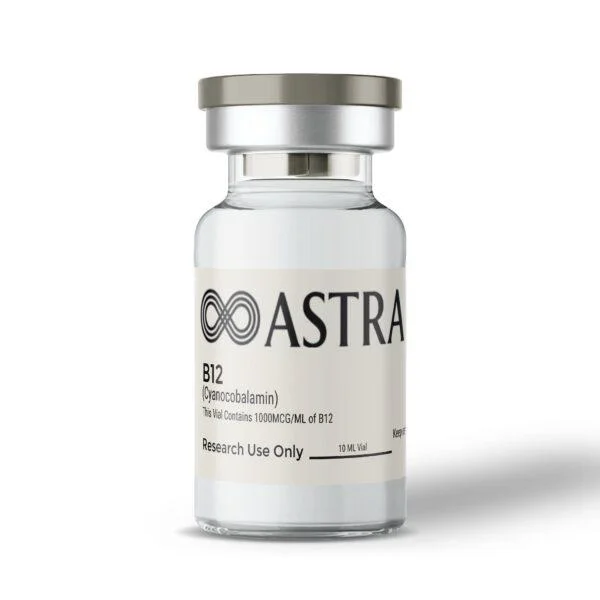
Vitamin B12 Injection 10 mL (Cyanocobalamin 1,000 mcg/mL): Uses, Benefits, Dosage, Side Effects, and Safety Guide
Oct
Meta Title
Vitamin B12 Injection (Cyanocobalamin 1,000 mcg/mL): Uses, Benefits, Dosage & Side Effects
Meta Description
Learn about Vitamin B12 Injection (Cyanocobalamin 1,000 mcg/mL), including its uses, dosage, benefits, side effects, safety precautions, and frequently asked questions.
Vitamin B12 Injection (Cyanocobalamin 1,000 mcg/mL): A Complete Guide
Introduction
Vitamin B12 is an essential nutrient that supports the production of red blood cells, healthy nerve function, and DNA synthesis. When the body does not have enough vitamin B12, it can lead to anemia, nerve damage, fatigue, and other health problems. For individuals who cannot absorb enough vitamin B12 through food or oral supplements, Vitamin B12 injections provide an effective way to restore and maintain healthy levels.
Cyanocobalamin is a synthetic form of vitamin B12 commonly used to treat and prevent vitamin B12 deficiency. It is widely prescribed for people with pernicious anemia, malabsorption disorders, certain gastrointestinal conditions, or dietary deficiencies.
This guide explains how Vitamin B12 injections work, their benefits, dosage recommendations, potential side effects, and important safety information.
What Is Cyanocobalamin?
Cyanocobalamin is a laboratory-produced form of vitamin B12 used to prevent and treat vitamin B12 deficiency. After administration, the body converts cyanocobalamin into active forms of vitamin B12 that support essential metabolic functions.
Vitamin B12 injections are often used when oral supplementation is ineffective because of poor absorption or increased nutritional needs.
What Is Vitamin B12 Injection Used For?
Healthcare providers may prescribe Vitamin B12 injections to:
- Treat vitamin B12 deficiency
- Treat pernicious anemia
- Prevent vitamin B12 deficiency in high-risk individuals
- Support patients with gastrointestinal disorders that impair vitamin B12 absorption
- Treat deficiency caused by certain medications
- Correct nutritional deficiencies resulting from restrictive diets or malnutrition
Treatment should always be based on a healthcare provider’s diagnosis and recommendations.
How Does Cyanocobalamin Work?
Vitamin B12 plays a critical role in several essential body functions. It helps:
- Produce healthy red blood cells
- Support normal nerve function
- Maintain healthy brain function
- Assist in DNA production
- Support energy metabolism
- Promote proper cell growth and repair
Injectable cyanocobalamin bypasses the digestive system, allowing the vitamin to enter the bloodstream directly. This makes injections especially effective for people with absorption disorders.
Benefits of Vitamin B12 Injection
Corrects Vitamin B12 Deficiency
The primary benefit of treatment is restoring healthy vitamin B12 levels and preventing complications associated with deficiency.
Treats Megaloblastic Anemia
Vitamin B12 injections help the body produce normal red blood cells, improving anemia caused by vitamin B12 deficiency.
Supports Nervous System Health
Adequate vitamin B12 is necessary for maintaining healthy nerves and may help prevent or reduce neurological complications related to deficiency.
Improves Energy Levels
People with vitamin B12 deficiency often experience fatigue and weakness. Correcting the deficiency may improve energy and overall well-being.
Supports Brain Function
Vitamin B12 contributes to normal cognitive function and neurological health.
Recommended Dosage
The dosage depends on the reason for treatment, the severity of deficiency, and the patient’s response.
Vitamin B12 injections are typically administered by a healthcare professional, although some patients may be trained to self-administer at home.
Your healthcare provider will determine:
- The appropriate dose
- The injection schedule
- The duration of treatment
- Whether long-term maintenance therapy is necessary
Always follow your healthcare provider’s instructions.
How Is Vitamin B12 Injection Administered?
Vitamin B12 injections may be given:
- Intramuscularly (IM)
- Deep subcutaneously (under the skin), depending on the product and clinical guidance
Injection sites may include the upper arm, thigh, or buttock.
Never change your dosing schedule without consulting your healthcare provider.
Common Side Effects
Most people tolerate Vitamin B12 injections well.
Common side effects include:
- Mild pain at the injection site
- Redness or swelling
- Headache
- Nausea
- Mild diarrhea
- Dizziness
These effects are usually temporary.
Serious Side Effects
Although rare, serious side effects require immediate medical attention.
Seek emergency care if you experience:
- Difficulty breathing
- Swelling of the face, lips, tongue, or throat
- Severe allergic reaction
- Chest pain
- Irregular heartbeat
- Severe skin rash
Contact your healthcare provider promptly if you develop unusual symptoms after treatment.
Precautions Before Using Vitamin B12 Injection
Tell your healthcare provider if you:
- Have allergies to cobalt or vitamin B12 products
- Have kidney disease
- Have liver disease
- Have Leber’s hereditary optic neuropathy
- Are pregnant or breastfeeding
- Take prescription medications, vitamins, or herbal supplements
Your healthcare provider will determine whether Vitamin B12 injections are appropriate for your condition.
Drug Interactions
Certain medications may affect vitamin B12 levels or treatment response, including:
- Metformin
- Proton pump inhibitors
- H2-receptor blockers
- Chloramphenicol
- Certain anticonvulsants
Always inform your healthcare provider about all medicines and supplements you take.
Monitoring During Treatment
Your healthcare provider may monitor:
- Vitamin B12 levels
- Complete blood count (CBC)
- Response to treatment
- Neurological symptoms
- Overall health status
Regular monitoring helps ensure effective treatment and appropriate long-term management.
Lifestyle Tips
To support healthy vitamin B12 levels:
- Eat foods rich in vitamin B12, such as meat, fish, eggs, dairy products, and fortified cereals.
- Follow your prescribed injection schedule.
- Attend regular medical appointments.
- Report new symptoms promptly.
- Maintain a balanced and nutritious diet.
Frequently Asked Questions
Why do some people need Vitamin B12 injections instead of tablets?
People with conditions that reduce vitamin B12 absorption, such as pernicious anemia or certain gastrointestinal disorders, may benefit more from injections because they bypass the digestive tract.
How quickly do Vitamin B12 injections work?
Many people begin to notice improvement in deficiency-related symptoms within days to weeks, although recovery varies depending on the severity and duration of the deficiency.
Can Vitamin B12 injections increase energy?
If fatigue is caused by vitamin B12 deficiency, treatment may improve energy levels as vitamin stores are restored.
Are Vitamin B12 injections safe?
When used as prescribed, Vitamin B12 injections are generally considered safe and well tolerated. Healthcare providers monitor treatment to ensure effectiveness and minimize risks.
Will I need Vitamin B12 injections for life?
Some people require lifelong treatment, particularly those with pernicious anemia or permanent malabsorption disorders. Others may need treatment only until their deficiency has been corrected.
Conclusion
Vitamin B12 Injection (Cyanocobalamin 1,000 mcg/mL) is an effective treatment for vitamin B12 deficiency and related conditions such as pernicious anemia. By restoring healthy vitamin B12 levels, it supports red blood cell production, nervous system function, DNA synthesis, and overall health. For individuals who cannot absorb enough vitamin B12 through food or oral supplements, injectable therapy can provide reliable and long-term management. Always use Vitamin B12 injections under the guidance of a qualified healthcare provider and attend regular follow-up appointments to monitor your progress.
