
Uncategorized
Vascepa: Uses, Benefits, Dosage, Side Effects, and Safety Guide
Oct
Meta Title
Vascepa: Uses, Benefits, Dosage, Side Effects & Heart Health Guide
Meta Description
Learn about Vascepa, including its uses, benefits, dosage, side effects, safety precautions, and frequently asked questions. Discover how Vascepa helps lower triglycerides and reduce cardiovascular risk.
Vascepa: A Complete Guide
Introduction
Vascepa is a prescription medication used to help lower high triglyceride levels and reduce the risk of certain cardiovascular events in eligible adults. Unlike standard fish oil supplements, Vascepa contains a highly purified form of omega-3 fatty acid known as icosapent ethyl. It is approved for specific medical conditions and is used under the supervision of a healthcare provider.
High triglycerides are a type of fat found in the blood. Elevated levels can contribute to cardiovascular disease and increase the risk of complications such as heart attack and stroke. Vascepa has been shown to provide cardiovascular benefits when used alongside lifestyle changes and, in many cases, statin therapy.
This guide explains how Vascepa works, its approved uses, dosage recommendations, potential side effects, and important safety information.
What Is Vascepa?
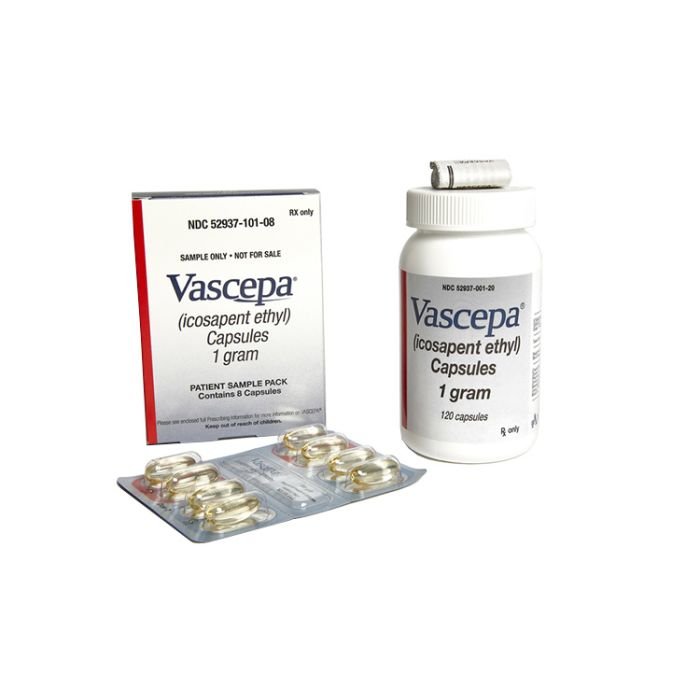
Vascepa is the brand name for icosapent ethyl, a purified ethyl ester of eicosapentaenoic acid (EPA), an omega-3 fatty acid. It is available as an oral capsule and is intended for prescription use only.
Unlike many over-the-counter fish oil products, Vascepa contains only EPA and does not include docosahexaenoic acid (DHA). This purified formulation has been studied extensively in clinical trials for cardiovascular risk reduction.
What Is Vascepa Used For?
Healthcare providers may prescribe Vascepa to:
- Lower very high triglyceride levels in adults.
- Reduce the risk of heart attack, stroke, coronary revascularization, and certain other cardiovascular events in eligible adults with elevated triglycerides who are already taking a statin and have established cardiovascular disease or diabetes with additional risk factors.
- Complement a heart-healthy diet and other lifestyle modifications.
Your healthcare provider will determine whether Vascepa is appropriate based on your medical history and lipid profile.
How Does Vascepa Work?
Although the exact mechanism is not fully understood, Vascepa is believed to work by:
- Reducing the production of triglycerides in the liver.
- Increasing the clearance of triglycerides from the bloodstream.
- Helping reduce inflammation associated with cardiovascular disease.
- Supporting healthier blood vessel function.
- Contributing to plaque stabilization within arteries.
These effects may lower the risk of major cardiovascular events when combined with appropriate medical therapy.
Benefits of Vascepa
Helps Lower Triglycerides
One of the primary benefits of Vascepa is its ability to significantly reduce elevated triglyceride levels.
Reduces Cardiovascular Risk
Clinical studies have shown that Vascepa can reduce the risk of major cardiovascular events in appropriately selected patients.
Works Alongside Statins
Vascepa is commonly prescribed in addition to statin therapy for eligible patients who continue to have elevated triglycerides despite cholesterol-lowering treatment.
Highly Purified EPA
Because Vascepa contains purified EPA without DHA, it differs from many dietary fish oil supplements and is formulated specifically for prescription use.
Supports Long-Term Heart Health
Combined with healthy lifestyle habits, Vascepa may play an important role in comprehensive cardiovascular risk management.
Recommended Dosage
Take Vascepa exactly as prescribed by your healthcare provider.
The recommended adult dosage is generally 4 grams per day, taken as either:
- Two 1-gram capsules twice daily with food, or
- Four 0.5-gram capsules twice daily with food.
Swallow the capsules whole. Do not crush, dissolve, chew, or open them.
If you miss a dose, take it as soon as you remember unless it is nearly time for your next scheduled dose. Do not take two doses at the same time.
Common Side Effects
Some people may experience side effects during treatment.
Common side effects include:
- Muscle or joint pain
- Swelling of the hands, legs, or feet
- Constipation
- Gout in susceptible individuals
- Mild digestive discomfort
Many people tolerate Vascepa well, but any persistent symptoms should be discussed with a healthcare provider.
Serious Side Effects
Seek immediate medical attention if you experience:
- Signs of an allergic reaction, such as difficulty breathing or swelling of the face, lips, tongue, or throat.
- Symptoms of atrial fibrillation or atrial flutter, including a rapid or irregular heartbeat, dizziness, or fainting.
- Unusual bleeding or bruising, particularly if you take blood-thinning medications.
Although these events are uncommon, prompt medical evaluation is important.
Precautions Before Taking Vascepa
Tell your healthcare provider if you:
- Have a fish or shellfish allergy.
- Have a history of irregular heart rhythm.
- Take anticoagulants or antiplatelet medications.
- Have liver disease.
- Are pregnant, planning to become pregnant, or breastfeeding.
- Take prescription medicines, over-the-counter products, vitamins, or herbal supplements.
Your healthcare provider will assess potential risks and monitor your treatment as needed.
Drug Interactions
Vascepa may interact with certain medications, including:
- Warfarin
- Apixaban
- Rivaroxaban
- Dabigatran
- Clopidogrel
- Aspirin and other medicines that affect blood clotting
Do not start or stop any medication without consulting your healthcare provider.
Lifestyle Tips While Taking Vascepa
Medication works best when combined with healthy lifestyle habits.
These include:
- Following a heart-healthy eating plan.
- Limiting saturated fats and added sugars.
- Exercising regularly, as recommended by your healthcare provider.
- Maintaining a healthy body weight.
- Avoiding tobacco products.
- Limiting alcohol intake, especially if triglycerides are elevated.
- Taking medications consistently as prescribed.
Frequently Asked Questions
Is Vascepa the same as fish oil?
No. Vascepa is a prescription medication containing purified EPA. Standard fish oil supplements vary in quality and composition and are not considered interchangeable with Vascepa.
Can Vascepa replace a statin?
No. Vascepa is often used in addition to statin therapy, not as a replacement. Follow your healthcare provider’s treatment recommendations.
How long does it take to work?
Triglyceride levels may begin to improve within several weeks, but long-term treatment is often necessary to maintain benefits.
Can I drink alcohol while taking Vascepa?
Alcohol can increase triglyceride levels. Ask your healthcare provider about appropriate alcohol consumption based on your health status.
Is Vascepa safe for long-term use?
Many patients take Vascepa long term under medical supervision. Regular follow-up appointments help monitor effectiveness and safety.
Conclusion
Vascepa (icosapent ethyl) is a prescription medication that helps lower elevated triglyceride levels and reduce the risk of major cardiovascular events in eligible adults. Its purified EPA formulation distinguishes it from over-the-counter fish oil supplements and has demonstrated benefits in clinical studies. When combined with a heart-healthy lifestyle and other prescribed therapies, Vascepa can be an important part of long-term cardiovascular risk management. Always take Vascepa exactly as prescribed and discuss any concerns or side effects with your healthcare provider.
